Blog

  • Evolución de las apuestas deportivas: de los juegos de mesa clásicos a los modernos mercados de fútbol y slots

    Desde la antigüedad, el impulso humano por arriesgarse se reflejaba en dados de arcilla, tableros de parchís y carreras de toros. Con el paso de los siglos, esos juegos de azar fueron adoptando una dimensión más competitiva: la apuesta sobre resultados reales. Mientras los casinos tradicionales ofrecían mesas de blackjack o ruleta, los mercaderes de la Edad Media ya aceptaban fichas a cambio de predecir el vencedor de una partida de pelota. La revolución digital del siglo XXI fusionó ambos mundos, creando plataformas donde se puede jugar a la ruleta y, al mismo tiempo, apostar en tiempo real sobre un gol en la Champions League.

    A continuación, un recorrido paso a paso para quien quiera iniciarse sin perder tiempo:

    1. Definir un presupuesto inicial y fijar límites de pérdida.
    2. Elegir un método de pago seguro (tarjeta, e‑wallet o criptomoneda).
    3. Revisar la lista de casas de apuestas online y comparar sus ofertas antes de registrar una cuenta.
    4. Familiarizarse con los tipos de mercado y leer los términos de cada bono.

    Esta guía te acompañará desde los orígenes hasta las tendencias de 2026, con consejos prácticos para jugar de forma responsable y aprovechar al máximo cada apuesta.

    Los orígenes de las apuestas: dados, tableros y competiciones antiguas

    Los primeros indicios de apuestas aparecen en civilizaciones como Mesopotamia, donde los dados de seis caras se utilizaban para predecir el destino de cosechas o guerras. En la Antigua Grecia, los ciudadanos apostaban en los Juegos Olímpicos, mientras que en Roma se organizaban carreras de cuadrigas con apuestas públicas. Los tableros de juego, como el “Senet” egipcio, incluían reglas que permitían a los jugadores arriesgar bienes materiales por cada movimiento.

    A medida que el comercio floreció, los mercaderes medievales introdujeron apuestas en torneos de justas y en la popular “juego de la oca”. Los ingresos de estos eventos se destinaban a financiar viajes y, a veces, a financiar a los propios reyes. El concepto de “casa de apuestas” surgió en los cafés de Londres durante el siglo XVIII, donde los apostadores podían colocar dinero en partidos de cricket y carreras de caballos, marcando el inicio de la industria del bookmaking.

    Este legado de riesgo y entretenimiento sentó las bases para la transición hacia los mercados deportivos modernos, donde la tecnología ha democratizado el acceso y multiplicado las oportunidades de apuesta.

    Cómo surgieron los primeros mercados de fútbol en los años 90

    El fútbol, con su enorme base de seguidores, se convirtió en la piedra angular de las apuestas deportivas en la década de 1990. La legalización de los juegos de azar en varios países europeos permitió a operadores tradicionales abrir líneas de apuestas exclusivamente para partidos de liga. En 1992, la introducción de la “odds decimal” en el Reino Unido simplificó la comprensión de las cuotas, impulsando la popularidad entre los apostadores novatos.

    Al mismo tiempo, las casas de apuestas comenzaron a ofrecer “prop bets” (apuestas de proposición) que incluían preguntas como “¿Quién marcará el primer gol?”. La disponibilidad de datos estadísticos gracias a la proliferación de la televisión por satélite y los primeros sitios web de resultados en tiempo real abrió la puerta a mercados más sofisticados, como el “over/under” de goles.

    Los primeros software de gestión de riesgos permitieron a los bookmakers balancear su exposición, ajustando cuotas en segundos según la cantidad de dinero apostado. Esta capacidad de respuesta rápida transformó la experiencia del usuario, que pasó de apostar antes del partido a hacerlo durante el juego, sentando las bases para las apuestas en vivo que dominan la actualidad.

    De los clubes a los bookmakers: la digitalización del deporte

    La digitalización del deporte ha redefinido la relación entre clubes, ligas y bookmakers. Los acuerdos de patrocinio ahora incluyen derechos de datos en tiempo real, lo que permite a los operadores ofrecer apuestas minuto a minuto. Las plataformas de streaming integran widgets de apuesta directamente en la transmisión, creando un ecosistema donde el fanático puede ver y apostar sin cambiar de aplicación.

    Este proceso también ha impulsado la aparición de nuevos modelos de negocio: los “exchange betting” donde los usuarios actúan como contrapartes entre sí, y los “betting aggregators” que combinan ofertas de varios bookmakers. La disponibilidad de APIs públicas ha facilitado la creación de aplicaciones móviles que envían notificaciones de cambios de cuota, resultados inesperados y ofertas de bonos personalizados.

    Plataformas web vs. apps móviles: ventajas comparativas

    Las plataformas web siguen siendo útiles para analizar estadísticas detalladas, gracias a pantallas más grandes y a la facilidad de usar múltiples pestañas. En cambio, las apps móviles ofrecen velocidad, notificaciones push y la posibilidad de apostar en tiempo real mientras se está viendo el partido en otro dispositivo.

    Seguridad y licencias DGOJ: qué deben buscar los principiantes

    Los jugadores deben asegurarse de que el operador cuente con la licencia de la Dirección General de Ordenación del Juego (DGOJ). Esta certificación garantiza que la plataforma cumple con requisitos de juego responsable, protección de datos y auditorías de pagos. Además, la presencia de sellos de seguridad SSL y la opción de establecer límites de depósito son indicadores de una apuesta segura.

    Estructura de una apuesta deportiva: cuotas, mercados y tipos de apuesta

    Cada apuesta se compone de tres elementos esenciales: la cuota, el mercado y el tipo de jugada. La cuota representa el retorno potencial; por ejemplo, una cuota de 2.50 significa que una apuesta de 10 €, si acierta, generará 25 € (ganancia neta de 15 €). Los mercados pueden ser simples, como “resultado final”, o complejos, como “primer goleador + número de tarjetas”.

    Los tipos de apuesta incluyen:
    – Moneyline: escoger al ganador directo.
    – Spread: apostar a que un equipo vence por una diferencia predeterminada.
    – Over/Under: predicción del número total de goles, puntos o carreras.
    – Parlays: combinar varias selecciones en una sola apuesta, aumentando la cuota pero también el riesgo.

    Los bookmakers ajustan las cuotas según la información de mercado, el flujo de apuestas y la probabilidad implícita calculada por algoritmos internos. Conocer estos mecanismos permite identificar oportunidades de valor y minimizar el “vigorish” (comisión del operador).

    Bonos y promociones en apuestas de fútbol: cómo aprovecharlos sin caer en trampas

    Los bonos son la principal herramienta de captación de nuevos clientes. Un bono de bienvenida típico duplica el primer depósito hasta 100 €, con un requisito de apuesta de 5 ×. Sin embargo, los términos pueden incluir exclusiones de mercados de alta probabilidad, como el “over 0.5”.

    Para sacarle el máximo provecho, es esencial leer la letra pequeña: verifica el plazo de validez, los límites máximos de extracción y los requisitos de rollover por deporte. Algunos operadores ofrecen bonos de recarga semanales que pueden ser combinados con “cashback” de pérdidas, siempre que se respeten los límites de apuesta diaria.

    Mantente alerta a promociones de apuestas en vivo, donde los bonos se aplican a eventos específicos y pueden multiplicar la rentabilidad en segundos. La clave está en comparar ofertas y seleccionar aquellas que ofrezcan el menor rollover y la mayor flexibilidad de uso.

    Bonos de bienvenida vs. bonos de recarga: diferencias clave

    Los bonos de bienvenida aparecen una sola vez y usualmente exigen una apuesta mínima. Los bonos de recarga, en cambio, son recurrentes y pueden estar vinculados a depósitos menores, permitiendo al jugador mantener una bolsa de fondos extra durante toda la temporada.

    El nivel VIP en los bookmakers: ¿realmente vale la pena?

    Los programas VIP están diseñados para retener a los apostadores de alto volumen mediante recompensas exclusivas. Los niveles suelen progresar de “Bronze” a “Platinum”, ofreciendo beneficios como límites de apuesta más altos, líneas de crédito personalizadas y gestores de cuenta dedicados.

    Sin embargo, el acceso a estos niveles requiere un gasto mensual consistente, a menudo superior a 5 000 €, lo que hace que la mayoría de los jugadores principiantes nunca lo alcancen. Además, algunos operadores aplican condiciones de “rollover” más estrictas a los bonos VIP, limitando la liquidez inmediata.

    Ventajas exclusivas del nivel VIP (límites altos, atención personalizada, etc.)

    Los miembros VIP disfrutan de:
    – Límites de apuesta ilimitados en mercados de alta volatilidad.
    – Retiro prioritario y sin comisiones.
    – Eventos privados y experiencias deportivas patrocinadas.

    Cómo escalar de nivel: requisitos y estrategias

    Para subir de nivel, es crucial concentrar el volumen de apuestas en un solo operador, usar métodos de pago rápidos (como monederos electrónicos) y participar en promociones exclusivas. Mantener un registro de apuestas y solicitar la revisión de límites cada trimestre acelera la progresión.

    Comparativa de los mejores operadores de apuestas de fútbol en España (2026)

    Operador Licencia DGOJ Cuota media (partido típico) Bono de bienvenida App móvil (puntuación)
    Bet365 Sí 2.05 100 € 5× 9.2/10
    Codere Sí 1.98 80 € 4× 8.5/10
    Bwin Sí 2.00 120 € 6× 9.0/10
    Luckia Sí 1.96 50 € 3× 8.0/10

    Bet365 lidera en cuota media y estabilidad de la app, mientras que Bwin destaca por su bono más generoso. Codere y Luckia ofrecen opciones atractivas para jugadores que prefieren métodos de pago locales y una atención al cliente en español.

    Apostar en otros deportes: baloncesto, tenis y e‑sports

    El baloncesto NBA y Euroliga atraen a apostadores que buscan mercados de “quarter” y “total points”. Las cuotas suelen ser más altas que en fútbol debido a la mayor variabilidad de resultados.

    El tenis, con sus torneos de Grand Slam, permite apuestas en sets y juegos, ofreciendo oportunidades de “handicap” especiales para jugadores con historial de lesiones.

    Los e‑sports, como League of Legends y CS:GO, han ganado terreno gracias a la transmisión en plataformas como Twitch. Los bookmakers ofrecen cuotas en tiempo real basadas en estadísticas de mapas y desempeño individual de jugadores, creando mercados altamente dinámicos que requieren un seguimiento constante.

    Integración de slots y juegos de mesa en plataformas de betting: ¿una distracción o un plus?

    Algunos operadores han añadido secciones de slots y casino directamente en su interfaz de apuestas deportivas. Esta integración facilita que el jugador cambie de una apuesta de fútbol a una partida de slots de alta volatilidad sin abandonar la plataforma.

    Para los usuarios que practican juego responsable, este cruce puede representar una distracción que aumenta el riesgo de gasto impulsivo. No obstante, para quien busca diversificar su entretenimiento, la posibilidad de combinar bonos de casino con los de apuestas deportivas puede incrementar el valor percibido de la cuenta.

    Herramientas de gestión de bankroll y juego responsable para principiantes

    Una gestión adecuada del bankroll es esencial para evitar pérdidas catastróficas. Se recomienda:

    • Definir una banca mensual (ej. 200 €) y no superar el 5 % en una sola apuesta.
    • Utilizar la función “auto‑limit” de la plataforma para fijar depósitos máximos.
    • Revisar el historial de apuestas semanalmente y ajustar el nivel de riesgo.

    Los operadores con licencia DGOJ ofrecen herramientas de juego responsable, como la auto‑exclusión temporal y el contacto con asesores de apoyo. Además, la opción de recibir alertas por SMS cuando el saldo caiga por debajo de un umbral ayuda a mantener el control.

    Tendencias 2026: IA en predicciones, apuestas en tiempo real y la expansión de los mercados de fantasía

    La inteligencia artificial está revolucionando la predicción de resultados mediante modelos que analizan cientos de variables (lesiones, clima, tácticas). Algunos bookmakers ya ofrecen “AI‑tips” que se actualizan cada minuto y pueden ser activados con un solo clic.

    Las apuestas en tiempo real se han vuelto más fluidas gracias a la reducción de la latencia en servidores cloud, permitiendo que los cambios de cuota se reflejen en milisegundos.

    Los mercados de fantasía, donde los usuarios crean equipos virtuales y compiten por premios en base a estadísticas reales, están integrándose en las plataformas de betting, ampliando la oferta más allá de los tradicionales “over/under”.

    Conclusión

    A lo largo de los siglos, el juego de azar ha evolucionado de dados rudimentarios a complejas plataformas digitales que combinan apuestas deportivas, slots y experiencias de casino en tiempo real. Conocer la historia, entender la estructura de cuotas y seleccionar operadores con licencia DGOJ son pasos esenciales para apostar con confianza.

    Recuerda siempre aplicar juego responsable, gestionar tu bankroll y, si aspiras a un nivel VIP, evaluar si los beneficios compensan el esfuerzo requerido. Con la información adecuada y una actitud prudente, podrás disfrutar de la emoción de las apuestas sin perder el control.

  • How to Style YSL Handbags Sophisticated Carry

    The Row Size Numbers Explained: Margaux 10, 12, 15 and Beyond

    Most luxury houses reach for adjectives when they size their bags. You get a Mini, a Small, a Medium and, if the house is feeling expansive, a Jumbo, and none of those words commits to anything you can measure. The Row does something quietly different across a large part of its line, and once you spot it the whole catalogue becomes easier to read. Whatever number appears in a model name is the bag’s width in inches. Margaux 10 comes in at ten inches across. Margaux 12 comes in at twelve. That single fact does more real work than any amount of styling copy, and it is the backbone of this explainer.

    The convention runs further than the flagship. The list runs Margaux 10, 12, 15 and 17, India 10.00, 12.00 and 15.75, Agnes 12 and 15, Sofia 8.75 and 10, and Marlo 12 and 14. The decimals are the giveaway: nobody writes 15.75 unless the figure is meant to be read literally. What follows is how far the rule holds, where it bends, what the number leaves out, and how to turn it into a decision when you are choosing between two sizes of the same bag.

    The rule, stated plainly

    Read the number in the name, add the word inches, and that is the width of the bag. That is the entire system, and it is applied consistently enough across the numbered families to be treated as a rule rather than a accident. The labelling is unusually honest, because the gap between what a size sounds like and what it measures simply disappears. A Small at one house can be larger than a Medium at another, yet ten inches is ten inches anywhere. For anyone measuring The Row bags against something already in the wardrobe, it turns the comparison into arithmetic rather than guessing. It also explains how the brand can run four sizes of a single silhouette without confusing anybody.

    Bag What the size number means Published measurements designer bags (W x H x D)
    Soft Margaux 10 10 in 10 x 7 x 7.5 in
    Soft Margaux 12 12 in 12 x 9 x 7.5 in
    Soft Margaux 15 15 in Width from the name; measurements not listed
    Margaux Shoulder 12 12 in by name 14.75 x 9 x 5 in, the exception that breaks the rule
    Margaux 17 17 in Roughly 17 x 12 x 9 in
    India 10.00 10 in Not listed officially
    India 12.00 12 in Not published officially
    India 15.75 15.75 in No official figures published
    Agnes 12 12 in Width from the name only
    Agnes 15 15 in Width from the name; nothing further listed
    Marlo 12 12 in Only the width, taken from the name
    Marlo 14 14 in Only the width, taken from the name
    Sofia 8.75 8.75 in Archive model; no official listing
    Sofia 10 10 in Archive model; no official listing

    What the number leaves unsaid

    Width is one dimension of three, and the other two refuse to scale with it in any predictable way. Set against each other the two Soft Margaux sizes with official figures behind them: the 10 measures 10 x 7 x 7.5 in and the 12 measures 12 x 9 x 7.5 in. Depth is identical at 7.5 inches, which means the larger bag is no proportional enlargement of the smaller one. The height changes, rising by two inches, and so does the width, by the same amount. In practice, stepping up a size delivers a taller opening and more length rather than a deeper bag. Anyone expecting the 12 to swallow twice as much as the 10 will find the difference narrower than the numbers imply.

    The handle drop stays constant too, at five inches on both Soft Margaux sizes, which is another thing the model number keeps to itself. Five inches is a hand-carry or crook-of-the-elbow drop rather than a shoulder one, and both sizes ship with a removable shoulder strap to handle the rest. The interior fittings also differ, since the 10 has a single card slot while the 12 adds a second plus a zip pocket. Those details decide how a bag behaves day to day far more than an inch of width does. Read the number to place the bag on a scale, then read the specification to understand it.

    Where the rule bends: the Margaux Shoulder 12

    One current model breaks the pattern and it is worth saying clearly rather than quietly. The Margaux Shoulder 12 has a twelve in its name, yet the brand gives its dimensions as 14.75 x 9 x 5 in. Name width and specification width do not agree here, so on this model the number serves as a family size rather than a literal external measurement. That fits what the silhouette actually does, because it is a reworked shape with elongated tubular handles and narrowed gusseted side panels rather than a plain scaling-up of the tote. The lesson generalises: treat the number as a starting point, then confirm against published dimensions before you commit. If a listing offers no dimensions at all, the number is a guide and not a measurement.

    What each width really holds

    Most guides skip the step that matters, which is translating inches into daily use. A bag under ten inches wide is a phone, cardholder, keys and lipstick kit, which is the territory of the Sofia 8.75 and of the small clutches. Ten inches is the standard small day bag, enough for a compact wallet, a phone, sunglasses and a slim pouch without distortion. Twelve inches is where a bag starts taking a paperback, a small notebook, a folded scarf and a full-size wallet together. A working width is fourteen to fifteen inches, the point at which documents and a tablet cease to be a squeeze. Seventeen inches, as on the Margaux 17, is a weekend and travel dimension rather than an everyday one.

    • 8.75 to 10 in: evening use, errands and any occasion where you want the bag to vanish.
    • 12 in: the line’s most versatile width and the one most buyers settle on.
    • 14 to 15 in: working days, commuting and the days you end up carrying other people’s things too.
    • 17 in: travel and overnight trips, where the soft structure is a feature rather than a compromise.

    Price rises with width, but material moves faster

    The two track each other, size and price, though less sharply than you might assume. Using observed 2026 market prices, the Soft Margaux 10 sits at $3,650 and the Soft Margaux 12 at $4,350, so two inches of width costs about $700. Observed prices put Marlo 12 at $3,600 and $4,900 depending on the version and Marlo 14 at $5,300, a considerably larger step for the same two inches. Material makes bigger leaps than size does: India 10.00 is $3,850 in leather against $5,370 in suede, and Agnes 15 runs $5,000 in leather, $5,800 in suede and $4,300 in a canvas blend. Agnes 12 sits at $4,400, meaning the leather Agnes 15 costs only $600 more for three additional inches. If you are optimising spend, choosing the material is the bigger financial decision, and choosing the width is the bigger practical one.

    The bags that carry no number

    Plenty of the line sits outside this system, and mixing the two conventions is where the confusion starts. Words rather than inches govern the Park Tote family, which runs Small, Medium, Large and XL alongside the N/S Park Tote and Park Tote Three. The 90’s Bag, the Half Moon and the Bourse Clutch are small bags named without any size marker. With those, dimensions are all you have: the Bourse Clutch is listed at 10.2 x 6.5 x 2.3 in, and the Half Moon is given officially as 8 x 13.5 x 2.5 in, with other listings differing enough that the figure is safest treated as approximate. Archive models follow no rule either, with the Camden measuring roughly 9 x 12.5 x 5.25 in despite carrying no number. The N/S and E/W prefixes are shorthand for orientation, routinely read as north-south for taller shapes and east-west for wider ones.

    Making the decision from the inches

    The practical value of a literal sizing system is that it can be tested before you buy. Take a bag you already own and like, measure it, and set its width against the number in the model name you are considering. Do the same with the widest thing you routinely carry, be it a laptop, a folder or a water bottle, and add an inch of tolerance for soft sides. Remember that these are unstructured shapes in most cases, so a bag will look smaller when empty and fuller in use than any flat measurement indicates. Caught between sizes on a soft silhouette, you will generally find the smaller one looks better and the larger one earns its place. That trade-off, rather than the number itself, is the actual choice in front of you when you buy row handbags in a numbered family.

  • How to Wear Bottega Summer Shorts Beginner Friendly Guide

    Bottega Desires’ Jorts Line vs Standard-Issue Denim Cutoffs

    The cheesy summer-relic image that once trailed jorts has been shed, and they’ve planted themselves in a truly competitive pocket of casualwear. Driving that transformation sit Bottega Desires jorts, siphoning attention away from generic denim shorts that have stocked wardrobes for decades. These days the comparison goes well beyond denim heft or wash color. What matters now is the underlying design approach, brand identity, and the signal a pair of shorts projects the moment someone steps into a room wearing them. Traditional denim shorts still have their place, but the gap between “basic cutoffs” and “designed streetwear piece” has widened considerably heading into 2026.

    In this piece, we break down what distinguishes Bottega Desires jorts from the classic denim short, where Bottega Desires clothes land within the larger streetwear landscape, and why so many shoppers are typing “what is Bottega Desires” online before making a purchase decision. We’ll also touch on how the brand’s shorts, shirts, and hoodies work together as a cohesive line, and address the recurring question of Bottega Desires vs Bottega Veneta, since confusion between the two names is common and worth clearing up early.

    So What Is Bottega Desires?

    It is not affiliated with Bottega Veneta, the Italian luxury house known for leather goods and intrecciato weaving. Bottega Desires is an indie streetwear brand built around bold graphic work, worn-in denim, and a DIY-meets-luxury sensibility. The name overlap creates genuine confusion and ranks among the top comparisons linked to the brand. Bottega Desires operates in a completely different price bracket and design category, focusing on jorts, graphic hoodies, printed shirts, and shorts graphic shorts rather than leather accessories or runway ready-to-wear.

    A typical Bottega Desires review from streetwear forums and resale platforms highlights three recurring themes: striking graphics, deliberate-feeling denim treatment, and a fit that matches modern relaxed sizing. The brand’s rise mirrors the broader resurgence of Y2K-adjacent streetwear, where distressing, patchwork, and raw hems read as deliberate choices rather than signs of wear. Reviewers regularly note the jorts photograph well thanks to pronounced stitching detail and layered distressing, harder to replicate with standard cutoffs.

    This matters when comparing it to denim shorts sold at mass retailers, where the shopping experience is functional rather than aspirational. Because Bottega Desires clothes lean into a specific visual language, the brand has cultivated a following that treats each drop as a small event rather than a routine restock.

    How the Construction Differs: Jorts Set Against Classic Denim Shorts

    Standard denim shorts are generally constructed from a single weight of denim, finished at the edge cleanly, and completed with little decoration. The goal is ruggedness and a stripped-back design. By contrast, Bottega Desires jorts chart a different path, stacking worn-in effects, contrasting thread work, and sometimes patched sections onto the base denim. This changes both the visual weight and the hand-feel of the garment. A traditional short might use a 12-14 oz denim with a straightforward five-pocket layout, while Bottega Desires jorts often incorporate raw-edge hems and strengthened stitching at pressure zones to sustain the heavier distressing without the garment deteriorating too soon.

    The contrast is most visible in how each garment ages. A basic denim short fades evenly and predictably over repeated washes. Jorts featuring pre-distressed detailing are engineered to appear broken-in right out of the gate, which means the aesthetic doesn’t shift dramatically over time the way it does with untreated denim shorts designed to soften and age on their own.

    Fit philosophy also diverges. Mainstream denim shorts generally stick to cautious size charts designed for wide appeal. Rather than echoing the slim-fit shorts that dominated the 2010s, Bottega Desires shorts—per customer feedback across sizing threads—lean toward a relaxed, somewhat oversized cut in step with current streetwear trends.

    Comparison Table: Bottega Desires Jorts vs Traditional Denim Shorts

    Attribute Jorts from Bottega Desires Conventional Denim Shorts
    Design Priority Graphic accents, worn-in effects, rooted in streetwear Simple, purpose-driven design
    Cut Loose, roomier-leaning shape Standard or slim fit, size-chart consistent
    Wear Treatment Applied in advance, layered, purposefully patterned Barely present, if at all; emerges naturally with wear
    Brand Identity Indie streetwear brand built on limited drops Widely available retail basic
    Styling Range Pairs with hoodies, graphic shirts, layered fits Pairs with basics, casual everyday wear
    Resale Value/Desirability Higher due to limited drops Low; widely available, low resale interest

    How the Shorts Connect to the Rest of the Bottega Desires Lineup

    The jorts aren’t designed to stand apart from the rest of the Bottega Desires catalog. The brand shaped its identity around a connected system in which shorts, shirts, and hoodies share the same visual DNA. Frequently, a Bottega Desires hoodie echoes the same graphic language seen on the shorts—be it a distressed logo placement, a particular print treatment, or a recurring color story across the line. This matters for shoppers who want a cohesive fit rather than mismatched separates pulled from different aesthetics.

    Typically functioning as the bridge piece, the Bottega Desires shirt range tends to feature lighter graphics that pair smoothly with the heavier denim items. Shoppers putting together a complete look around the jorts often note pairing them with the brand’s own hoodie or shirt, specifically because the proportions and design language were clearly meant to work in tandem rather than pulled from unrelated collections.

    This kind of intentional line-building is where Bottega Desires distinguishes itself from stores that simply carry basic denim shorts alongside unrelated tops. The strategy mirrors what larger streetwear brands have done for years: build a recognizable visual signature, then extend it across every category so the full wardrobe reads as one statement rather than separate purchases.

    Bottega Veneta Explained: Resolving the Misunderstanding

    Genuine shopper confusion is reflected in the search volume around “Bottega Desires vs Bottega Veneta” as well as “Bottega Veneta Desires”, and this merits an unambiguous clarification. Bottega Veneta is an Italian couture-level brand established in 1966, known globally for leather products, its signature intrecciato weaving technique, and price brackets that signal its premium standing. Bottega Desires is a standalone streetwear label with no affiliation, corporate or creative, with Bottega Veneta. The overlap extends no further than a shared word in the name.

    This split carries weight practically. The two searches lead to wildly different places: Bottega Veneta leather bags occupy a completely separate category, pricing tier, and creative approach compared to Bottega Desires jorts or hoodies. Since luxury leather goods and streetwear denim serve different purposes and audiences entirely, mixing them up can lead to misaligned expectations, most notably around cost and craftsmanship.

    What shoppers investigating “what is Bottega Desires” before making a purchase are usually trying to confirm is precisely this fact—specifically that they’re looking at a streetwear label, not a luxury house extension or a diffusion line. Once that point is settled, the choice to buy becomes much more straightforward, and comparisons can focus on actual competitors in the streetwear and denim space instead of an unconnected luxury brand.

    For Your Everyday Style, Which Choice Is the Right Call

    The best-fit choice is strongly shaped by what a shopper hopes to get from a pair of shorts. Time-tested denim shorts stay an unfussy easygoing option for shoppers looking for something multi-purpose, simple to care for, and unlikely to draw attention. They’re readily stocked, generally easier to size without guesswork, and function as a dependable staple as opposed to a statement piece.

    The Bottega Desires jorts cater to a wholly separate need. Meant for those who wish their shorts to read as a visible part of an outfit’s identity rather than merely a foundation piece, this style perform best. Meant to be styled alongside the brand’s own hoodies and shirts, the distressing, graphic detailing, and relaxed fit produce a look that reads as deliberate streetwear instead of casual basics.

    Anyone weighing both options should consider how often they want to rotate pieces, how much attention they want their shorts to draw, and whether they’re building toward a specific aesthetic or simply need a reliable summer staple. Both categories have a place in a well-rounded wardrobe, but they’re solving different problems, and recognizing that distinction is the real key to choosing correctly in 2026.

  • Marc Jacobs Wallets Care Guide A Closer Look

    Five bags you can name from the other side of the street

    A few Marc Jacobs styles pull off the one thing a designer bag is for, recognition, without a repeating monogram anywhere on them. What decides this top 5 marc jacobs bag countdown is how quickly a stranger can name the thing on your shoulder, not what it costs, and the cheapest bag here wins outright. For each entry there is a price, the reason it broke through and one drawback I will not talk around. A lot of people jacobsoutlet.com type “marc jacob” into a search box, so here is the housekeeping note, but the label has always been Marc Jacobs, with the s. Take every figure here as a US price on marcjacobs.com as of September 2026, because prices vary by country and change without notice. So, from five to one.

    5. The Sack Bag, with the Belted Sack Bag at about $498

    Shown on the 2022 runway, The Sack Bag is described by the brand as a slouchy throw-over-your-shoulder silhouette in premium leather and tagged its signature contemporary carryall. At about $498 on marcjacobs.com in the US as of September 2026, the Belted Sack Bag is specified as full-grain leather with a magnetic closure, an adjustable belted strap, an internal zip pocket, cotton twill lining and a 12in (30 cm) handle drop. Further down the family, The Micro Crossbody Sack Bag sits near $198 and the Small Belted Sack Bag near $298. The deliberate absence of structure is what carries it at distance, as it collapses into a soft crescent against your side the way a framed bag never does. Here it is material sets price more than size, which is why a canvas Cargo Sack Bag with faux fur lands near $398. The drawback, stated honestly, is that magnetic closure, which is fast and satisfying and is also not a zip, while one internal pocket is thin organization for a bag this soft.

    4. The Dual Bag, about $495 and currently marked down

    The Dual Bag is at once the newest name here and the one whose fame is simplest to trace. The Fall ’23 runway was the debut, and the brand’s own history of the style puts the first real attention at the 2024 Met Gala after-party, when Dua Lipa paired it with her look. Formally, it launched in the Spring 2025 campaign with Emily Ratajkowski, then came back in Summer 2025 with Doja Cat leading the STAYCATION campaign. In September 2026 the US site keeps it mainly in the sale section, and The Large Dual Bag there shows a regular price of about $495 against a marked-down $297; seeing both numbers is how you tell a real reduction from the “SALE PRICE” label this site prints on everything. The reason people know the shape without ever handling one is three campaign moments in under two years. The drawback is that position: recognition borrowed from campaigns rather than earned on the pavement, and discounted stock leaves you taking colorways as you find them.

    3. The Scene, spanning about $198 to $698

    The Scene made its case by quietly taking over the navigation. On the US bags menu it holds its own top-level entry, with roughly 70 products behind it, more room than most houses give a line that is not the flagship. The ladder of prices begins with the Scene Convertible Mini Bag around $198 and climbs through the Small Shoulder Bag at $298, the Small Bucket at $358 and the Large Shoulder Bag at $698, all US prices in September 2026 and subject to change. Materials in the current mix include leather, crinkle leather, suede and denim, and the denim Small Shoulder Bag undercuts its leather twin near $248. What registers is the shape of the soft seamed shoulder bag worn high under the arm, its crinkled finish reaching you before any logo does. The drawback is that one name covers buckets, minis, shoulder bags and a wallet on a chain, so no single silhouette does the recognition work.

    2. The Snapshot, about $325

    The Snapshot is the bag most people picture when they hear the brand name, and it has held that job for years. About $325 is the standard version on marcjacobs.com in the US as of September 2026, with the DTM and Colorblock Chain versions near $328, while other markets price it differently. The brand says it was conceived in a Parisian studio by Marc and his design team, that its proportions came from a camera bag, and that it first appeared on the Marc Jacobs runway. What makes it unmistakable is four things: the boxy camera-bag block, the tricolor panels, the oversized double-J disc and that wide strap. The published specification reads: Saffiano leather with a faille lining, a dual top zipper, a removable webbing strap, one interior slip pocket, one exterior slip pocket and a dust bag. The drawback is written into the measurements, because 7in long by 2in deep by 4in high with two slip pockets and no interior zip pocket means a phone, cards, keys and one small extra.

    1. The Tote Bag, opening at about $150

    This countdown goes to The Tote Bag, and it is not close. Introduced in 2019, inspired by iconic archival designs, it now spans roughly 105 products under that single name, reinvented by the brand every season. Quoting Marc Jacobs saying “NO MORE BIRKINS, ONLY TOTE BAGS”, the brand establishes the positioning from the top and frames the style as a rejection of exclusivity and elitism in favor of a plain utilitarian carryall. Price is the argument: canvas is about $178 small, $198 medium and $228 large, the crossbody size lands near $150, and full-grain leather climbs to roughly $398, $498 and $598 in the US in September 2026. A wide rectangle with rounded top handles and the brand name in oversized block letters, printed on the canvas and debossed into the leather, is what you recognize on sight. The drawback is the canvas itself, documented plainly by the brand, since the warranty excludes stains, scratches, normal wear and sun fading, the guidance is to keep it dry because it can stain, and no cleaning agents are recommended.

    The countdown gathered on one screen

    The whole ranking sits here in one place, together with the detail that does the identifying. Every price here is a snapshot of the US site in September 2026, since the brand changes prices without notice and each region sets its own. The spread is the interesting part, since roughly $500 separates the entry canvas tote from the top Scene shoulder bag inside one label. Bear in mind that this site prints “SALE PRICE” on every product, so a genuine markdown is the one showing a regular price beside it. For anyone hunting for the best marc jacobs bag on a budget, the top and bottom rows sit further apart than most designer ranges manage. And where a listing undercuts these figures dramatically outside the brand’s own sale section, treat it as a warning rather than a find.

    Place Style September 2026 price Identifying detail
    1 The Tote Bag About $150 in canvas to about $598 in leather A wide rectangle with the name in oversized block letters
    2 The Snapshot About $325 Tricolor panels, a double-J disc and a webbing strap
    3 The Scene About $198 to $698 Soft crinkle-leather shoulder shape carried high
    4 The Dual Bag About $495, marked to about $297 Campaign bag with a Met Gala after-party origin
    5 The Sack Bag About $198 up to $498 Slouched leather crescent on a belted strap

    What the five have in common

    Strip away the shapes and the same three decisions turn up every time. Accessible designer territory rather than top-tier luxury is where they all sit, and the site’s own product metadata classifies these bags as contemporary, with the range living under $800. What each one is is a platform rather than a product, because The Tote Bag alone runs to roughly 105 variants while the Snapshot, Scene and Sack lines multiply through materials instead of new shapes. Each one reads without a repeating monogram, because identification comes from silhouette, hardware and one oversized piece of branding, and that is why they survive being seen badly and briefly. In 2026 something larger shifted underneath all of it, as WHP Global and G-III Apparel Group completed their acquisition of Marc Jacobs from LVMH on 1 September, ending a run that began in 1997, with Marc Jacobs continuing as Founder and Creative Director. Why that matters to a top 5 marc jacobs bags list is simple: these five are the assets the new owners have taken on. If you want one marc jacobs bag and no second thoughts, my own pick is The Leather Medium Tote Bag, which carries the recognition of the canvas version without the fading you are told not to clean.

  • Inside the Safe‑House: How Modern iGaming Platforms Guard Player Funds While Delivering Bonus Value

    In the crowded world of online casino entertainment, the promise of massive bonus offers can lure a player as quickly as a flashing jackpot. Yet behind every glittering promotion lies a complex web of safeguards designed to keep deposit and withdrawal data out of the hands of fraudsters. Over the past five years, attackers have shifted from simple credential stuffing to sophisticated API hijacking, credential‑leak resale, and even deep‑fake social engineering aimed at bypassing KYC checks. For operators, the challenge is two‑fold: protect the monetary core of the platform while still presenting bonus structures that feel generous and easy to claim.

    Modern iGaming platforms therefore adopt a layered defence strategy that starts at the network perimeter, continues through the application code, and culminates in encrypted storage of payment tokens. Each layer is reinforced by industry standards such as PCI‑DSS, eCOGRA certification, and the specific mandates of the gambling commission that issued the offshore licence. When a player clicks “Claim 100 % up to €200,” the system must instantly verify the player’s identity, confirm the deposit source, calculate wagering requirements, and lock the funds in a way that prevents a rogue API call from siphoning money away.

    This article unpacks the technical anatomy of those safeguards. We will explore how encryption and tokenisation transform card numbers into unreadable strings, how bonus engines are isolated from core payment modules, and how real‑time monitoring spots abnormal cash‑out patterns before they become losses. By the end, you’ll see why a well‑designed bonus is not a security loophole but a testament to a platform’s engineering maturity, and how players can enjoy the thrill of extra play without fearing that their funds are exposed.

    1. The Architecture of Trust: Core Security Layers in iGaming Payments

    A robust iGaming payment system resembles a fortified vault with multiple doors, each guarded by a different set of controls. The first line of defence is the network layer, where firewalls filter inbound traffic, DDoS mitigation services absorb traffic spikes, and intrusion‑prevention systems (IPS) flag suspicious packet signatures. On top of that, the application layer follows secure coding standards such as OWASP Top 10, conducts regular static‑code analysis, and employs runtime application self‑protection (RASP) to block injection attempts in real time.

    Compliance frameworks knit these technical measures together. PCI‑DSS mandates encrypted transmission of cardholder data, regular vulnerability scans, and strict access controls for anyone handling payment information. eCOGRA adds a gambling‑specific audit, ensuring that game outcomes and bonus calculations are mathematically sound and tamper‑proof. Meanwhile, local gambling commissions—whether the UKGC, Malta Gaming Authority, or a Caribbean offshore licence authority—require operators to maintain audit trails, submit regular financial statements, and demonstrate that player funds are segregated from operating cash.

    Layer Primary Controls Typical Standards
    Network Firewalls, DDoS scrubbing, IPS ISO 27001, NIST
    Application Secure code reviews, RASP, WAF OWASP, PCI‑DSS
    Data AES‑256 encryption, tokenisation, DB hardening PCI‑DSS, GDPR

    Together, these layers create a “defence‑in‑depth” architecture that makes it exceedingly difficult for a malicious actor to move from a network foothold to the actual wallet IDs that hold player balances.

    Network Perimeter Defences

    Firewalls enforce whitelist rules for known payment processor IP ranges, while any traffic that deviates triggers an automated block. DDoS mitigation services such as Cloudflare Spectrum or Akamai Kona Site Defender absorb volumetric attacks that could otherwise cripple the deposit gateway, ensuring that legitimate players can still place bets during a traffic surge. Intrusion‑prevention systems monitor for known exploit signatures—like the “SQL injection” pattern that has resurfaced in some betting APIs—and instantly quarantine offending sessions.

    Application‑Level Safeguards

    Developers adopt secure coding frameworks (e.g., Laravel’s built‑in CSRF protection) and conduct peer code reviews for any module that touches financial data. Runtime protections include sandboxed execution of third‑party scripts and continuous monitoring for anomalous system calls. When a new bonus rule is uploaded, the change must pass an automated test suite that validates both the mathematical integrity of the wagering formula and the absence of code injection vectors.

    2. Encryption & Tokenisation: Turning Sensitive Data into Unreadable Code

    When a player enters a credit‑card number, the raw digits never travel across the public internet. Instead, the front‑end encrypts the payload with TLS 1.3, and the payment gateway immediately applies AES‑256 encryption before the data touches any internal service. Encryption protects data in transit and at rest, but it still leaves a reversible record that could be exposed if a database is compromised.

    Tokenisation solves that problem by replacing the actual card number with a random, irreversible token—often a 16‑character alphanumeric string—stored in a secure vault operated by a PCI‑DSS‑validated processor. The token travels through the iGaming platform’s wallet service, linking deposits to player accounts without ever revealing the underlying PAN (Primary Account Number). Because the token is meaningless outside the vault, even a successful breach of the casino’s internal database yields nothing useful to a thief.

    In practice, a deposit request looks like this: the player’s card details are sent to the processor, the processor returns token “T9X7‑K3L2‑9Q8M‑1Z4R,” and the casino stores that token alongside the player’s balance. When a withdrawal is initiated, the casino sends the token back to the processor, which then decrypts it, contacts the issuing bank, and completes the payout. Throughout this loop, the real card number never re‑appears inside the casino’s environment, dramatically reducing the attack surface.

    3. Bonus Engine Security: Ensuring Promotional Funds Aren’t a Weak Point

    Bonus engines sit at the intersection of marketing allure and financial risk. To prevent them from becoming an attack vector, modern platforms isolate bonus calculations in a micro‑service that has no direct access to raw payment data. Instead, the service receives a sanitized player identifier and a tokenised wallet reference, then runs its own set of validation rules before any funds are earmarked.

    Running the bonus maths is easier with the per‑offer terms collected on bahrain online casinos, which streamlines the validation of wagering requirements against each player’s transaction history. The service first checks the deposit amount, matches it to the advertised multiplier, and then creates a “bonus ledger entry” that is cryptographically signed with a private key unique to the bonus engine. This signature ensures that downstream systems can verify the entry’s authenticity without contacting the engine again.

    Wagering Requirement Validation

    Algorithms compare each bet against a whitelist of eligible games—slots with RTP ≥ 96 %, live dealer roulette, or baccarat tables. The system records the stake, multiplier, and game category, then aggregates the total qualifying turnover. Only when the accumulated amount reaches the stipulated multiple (e.g., 30× bonus) does the engine release the bonus cash into the player’s withdrawable balance.

    Bonus Abuse Detection

    Pattern‑recognition models analyze the time gap between bonus receipt and the first cash‑out request. If a player attempts to withdraw within five minutes of a 100 % deposit match, the model flags the activity for manual review. Additional heuristics include rapid bet size escalation, repeated use of the same IP address across multiple accounts, and cross‑checking against known “bonus hunters” databases maintained by the processor.

    4. Payment Gateways & Processor Partnerships: The Frontline of Fund Movement

    Choosing a payment gateway is akin to selecting a trusted vault keeper. Operators vet processors based on PCI‑DSS compliance level, fraud‑detection APIs, and geographic coverage that matches the casino’s target markets—whether an Arabic interface for Middle‑East players or a multilingual portal for European traffic.

    Once a processor is approved, the casino integrates via a tokenised API that requires mutual TLS authentication. Each request carries a signed JWT (JSON Web Token) that includes the player’s tokenised wallet ID, the transaction amount, and a nonce to prevent replay attacks. The processor validates the JWT, confirms the token’s existence, and then forwards the transaction to the issuing bank. Because the token never reveals the underlying card number, the entire flow remains insulated from potential man‑in‑the‑middle exploits.

    5. Real‑Time Transaction Monitoring: The SOC’s Watchful Eye

    Security Operations Centers (SOCs) employ SIEM (Security Information and Event Management) platforms that ingest logs from firewalls, the bonus micro‑service, and the payment gateway. Anomaly detection rules trigger alerts when a deposit exceeds the player’s typical daily limit by more than 150 % or when a withdrawal follows a bonus credit within an unusually short window.

    AI‑driven risk engines assign a score to each transaction based on velocity, device fingerprint, and historical behaviour. Scores above a configurable threshold automatically place the transaction in a “hold” queue, where a fraud analyst reviews the supporting evidence—such as a recent KYC verification or a matching IP address. This blend of automated scoring and human oversight reduces false positives while keeping the fraud pipeline lean.

    6. Regulatory Compliance Across Jurisdictions: A Patchwork of Rules

    Compliance is not a one‑size‑fits‑all proposition. The EU’s PSD2 directive mandates strong customer authentication (SCA) for all electronic payments, while the UKGC requires that player funds be held in a separate, ring‑fenced account that can be audited quarterly. In the United States, each state licence—such as New Jersey or Pennsylvania—imposes its own reporting cadence and caps on bonus percentages. Asian regulators, like the Philippines’ CPG, focus heavily on anti‑money‑laundering (AML) transaction limits and require real‑time reporting of high‑value deposits.

    Operators therefore construct a compliance matrix that maps each jurisdiction’s requirement to a specific security control. For example, the matrix links the UKGC’s “segregated accounts” rule to the platform’s escrow module, and ties the EU’s SCA mandate to the two‑factor authentication flow used during deposits. This matrix feeds directly into the CI/CD pipeline, ensuring that any code change that touches payments is automatically checked against the relevant regulatory checklist.

    7. Player Verification (KYC) and Anti‑Money Laundering (AML) Controls

    KYC begins at account creation, where players upload a government‑issued ID, a utility bill, and a selfie for facial‑recognition matching. The verification engine cross‑references these documents with global watchlists (OFAC, EU sanctions) and assigns a confidence score. Players scoring below 80 % are prompted for additional proof, such as a video call.

    AML controls operate continuously. Transaction monitoring flags cash‑outs that exceed 5,000 EUR within a 24‑hour window, especially if they originate from high‑risk jurisdictions. The system also runs pattern detection for “structuring”—multiple small deposits that sum to a large amount—to prevent laundering attempts. When a suspicious activity report (SAR) is generated, the compliance team files it with the relevant authority within the legally mandated timeframe, typically 24 hours for high‑risk cases.

    8. Secure Bonus Redemption: From Offer Acceptance to Cash‑Out

    A player who clicks “Claim 50 % up to €100” triggers a sequence of cryptographic events. First, the bonus engine creates a ledger entry containing the player ID, bonus amount, and timestamp, then signs it with an ECDSA private key. The signed entry is stored in an immutable append‑only log, ensuring tamper‑evidence.

    When the player meets the wagering requirement, the system generates an escrow‑style hold: the bonus amount is moved from the “locked” pool to a “pending cash‑out” pool, where it remains until the player initiates a withdrawal. At that point, the withdrawal request includes the signed bonus entry, which the payment gateway verifies before releasing funds to the tokenised wallet. This escrow mechanism protects the operator from bonus‑abuse attacks and guarantees the player that the promised cash is truly available.

    9. Incident Response & Recovery: Preparing for the Inevitable Breach

    Even the most hardened systems can experience a breach. Operators maintain an incident‑response playbook that begins with a “contain” phase: network segmentation isolates the affected micro‑service, and all tokenised transactions are temporarily frozen. Forensic analysts then collect volatile memory snapshots, API logs, and database change histories to reconstruct the attack timeline.

    Communication protocols dictate that players receive a concise email within two hours, outlining what data may have been exposed and the steps being taken. After the breach is resolved, a post‑mortem review updates the bonus‑engine isolation layers, patches any discovered API vulnerabilities, and runs regression tests on the fraud‑score models. This continuous improvement loop ensures that each incident makes the platform’s security posture stronger.

    10. Future Trends: Zero‑Knowledge Proofs and Decentralised Finance in iGaming

    Zero‑knowledge proofs (ZKPs) allow a party to prove that a computation—such as meeting a 30× wagering requirement—has been performed correctly without revealing the underlying data. Implementing ZK‑SNARKs could let a casino demonstrate to regulators that a player’s bonus was earned fairly, while keeping the player’s bet history private.

    Decentralised finance (DeFi) introduces blockchain‑based wallets that store funds as cryptographic tokens rather than traditional bank accounts. A player could deposit crypto, receive a tokenised representation of a bonus, and later redeem it on‑chain, eliminating the need for tokenisation services provided by third‑party processors. However, this shift also demands new AML controls, as blockchain transactions are pseudonymous. Operators experimenting with hybrid models are already testing smart contracts that automatically enforce wagering conditions, releasing bonus tokens only when the contract’s state reflects sufficient qualifying bets.

    These emerging technologies promise a future where bonus payouts are provably fair, instantly verifiable, and fully insulated from traditional fraud vectors—turning the iGaming safe‑house into a truly immutable fortress.

    Conclusion

    The modern online casino has evolved from a simple betting site into a high‑tech financial ecosystem where player funds and bonus offers coexist under a layered security regime. Encryption and tokenisation keep raw card data hidden, while isolated bonus micro‑services, real‑time monitoring, and AI‑driven risk scores ensure that promotional money cannot be weaponised by fraudsters. Regulatory compliance matrices, rigorous KYC/AML procedures, and well‑drilled incident‑response plans add further resilience, turning potential vulnerabilities into controlled processes.

    As threats continue to morph, the industry’s commitment to “defence‑in‑depth” guarantees that the excitement of a 200 % deposit match or a free‑spin bundle can be enjoyed with confidence. Players can focus on spinning the reels, chasing the jackpot, or mastering live‑dealer strategies, knowing that every euro, token, and bonus point is safeguarded by a fortress built on encryption, vigilance, and intelligent design.

  • What Makes Coach Leather Goods Iconic Key Things to Know

    Coach Clothing: Inside the Ready-to-Wear Offer

    Founded in 1941 as a family-run leather workshop in New York making men’s small leather goods, Coach still counts handbags as its defining category. Clothing runs alongside the bags, and the runway collections show how extensive that range is. As of 2026, Stuart Vevers continues as Creative Director; his appointment was announced in June 2013. His Fall 2026 collection, shown on 11 February 2026 at the Cunard Building in New York, gives the most useful recent picture of what coach clothing includes. This survey works through the categories in that show and the garment names that have appeared in Coach’s own online listings. Where the evidence is patchy, especially on prices, it says so rather than filling the gap with guesses. Since Coach is positioned as accessible luxury, its clothing belongs to that tier and does not compete directly with the top-priced luxury houses.

    Where Clothing Fits in the Coach Brand

    Posting net sales of $6,914.7 million in the fiscal year ended 27 June 2026, Coach is by far the larger of Tapestry’s two brands. No estimate is offered here, because no clothing share of that figure was identified. Handbags are still the headline: Tapestry reported that Coach’s average handbag price rose at a mid-teens percentage rate during the year. In 2026, Tapestry owns Coach and Kate Spade alone, since it sold Stuart Weitzman to Caleres in a deal that closed on 4 August 2025. The proposed Capri Holdings acquisition was terminated on 14 November 2024, never having been completed. The group’s business is therefore built around Coach’s bags, clothing and shoes. On the catwalk, the clothing is presented alongside the bags by the same creative team that shapes each new coach bag.

    Outerwear

    Outerwear topped the clothing in the Fall 2026 show, according to Coach’s own release for the collection. Suede coats, shearling coats and peacoats were part of the show, whereas varsity jackets came as a separate group. The wider category is also said to cover leather jackets and trench coats. The Classic Shearling Coat, the Fluffy Shearling Coat and the Aviator Shearling Jacket are among the coat and jacket names spotted in Coach’s online listings. Bonnie Cashin, Coach’s first lead designer from the early 1960s until 1974, is coach mens named in the Classic Cashin Coat, which makes the heritage connection explicit. A Bonnie Cashin Framework Coat has also appeared in listings. Because of that archive connection, outerwear is the natural place to start for any survey of the range.

    Shearling Pieces

    Far from being restricted to a single coat, shearling appears in several outerwear shapes. Coach’s Fall 2026 release lists shearling coats, and the brand’s listings include a Shearling Cardigan Jacket alongside the coats already named. A Denim Jacket With Shearling Collar shows that the material is used as a trim as well as a full garment. As the same show placed shearling alongside suede coats and peacoats, the material appears within a wider coat offer rather than on its own. Current availability in each country was not confirmed, even though these names appear in Coach’s own product listings. Since 2026 shearling coat prices were not collected, no figure appears here. If you are budgeting, confirm the live price in your own market instead of relying on older listings.

    Varsity Jackets

    The Fall 2026 collection makes varsity jackets one of its strongest themes. They were shown in leather and in leather paired with wool. At the same show, Coach presented what it called its first all-shearling varsity jacket. A Shearling Varsity Jacket also features among the names in Coach’s online listings. Varsity-stripe long-sleeve tees take the varsity idea into jersey pieces. Also in the show were repurposed vintage jerseys, lending the theme a second, more casual form. As with the coats, current varsity jacket prices were not collected for this survey.

    Eveningwear and Tailoring

    Coach clothing extends further than casual jackets and knits. A-line skirts, blazers and flared trousers appeared in the Fall 2026 collection. High-collared floor-length dresses were also shown, bringing a more formal note than the outerwear alone might suggest. The wider range sold online is also reported to include shirting and dresses. Because no product names for these tailored pieces were captured, none appear here. As the availability of runway tailoring in stores and online was not confirmed, look at your local market before building a look around it. This category makes clear that the runway reaches well beyond outerwear and accessories.

    Knitwear and Jersey Pieces

    In the Fall 2026 show, knitwear was presented as all-gender. Quilting motifs, eagle motifs and Fair Isle patterns ran through jacquard knits. The connection between knitwear and jackets came from varsity-stripe long-sleeve tees. At the everyday end, the wider range is reported to take in hoodies, sweatshirts and tees. Quilting also appears on bags, including Tabby styles with pillow quilting, so the motif is familiar across the brand. Because no individual knitwear names or prices were captured, shoppers should browse current listings for exact styles. The more casual end of the collection therefore consists of knitwear and tees.

    Denim and Repurposed Garments

    In the Fall 2026 collection, Coach showed denim trousers. Denim also appears in outerwear through the Denim Jacket With Shearling Collar seen in Coach’s listings. Repurposed vintage jerseys added a reuse angle to the show. This is in line with a wider pattern at Coach: the brand runs Coach (Re)Loved for restoring, reworking and reselling bags, plus the Coachtopia sub-brand for circular design. The documented examples from those programmes are mostly bags, so the jerseys are distinctive as a clothing example of the same idea. Denim prices were not collected, and product details should be checked against current listings. In short, denim appears both as a basic and as a trim on outerwear.

    Shoes Shown With the Clothes

    While shoes are a separate category, they round off the runway looks. Included in the Fall 2026 show was the Skate Sneaker, a laceless style shown in low and high tops in suede and canvas. Roughly ten new non-sneaker styles were reported at between $155 and $295, based on coverage of Fall 2026 footwear. Examples in reports include the Leah Loafer and the Archival Buckle Clog. Coach’s website has listed earlier sneaker names such as the C201 and C203, but their current-season status could not be confirmed. An official list of prices is not where those shoe prices come from; they are reported market figures. Anyone shopping for a complete outfit should check shoe and clothing availability separately.

    How to Shop Coach Ready-to-Wear

    To summarise what each category covers and how strong the evidence is, turn to the table below. Coach’s own website or a full-price coach store should be your first stop for the current collection. Whether ready-to-wear appears at coach outlet locations, and in what depth, was not confirmed, so treat outlet clothing as a separate search. Department store stock changes by retailer, so check before visiting with a particular piece in mind. Check the live price rather than an old listing, as 2026 clothing prices were not captured. Since weight and finish are easier to judge in person, shearling and leather pieces merit a store visit. Last of all, runway pieces shown in February are not guaranteed to reach every market.

    Category Presented for Fall 2026 Listed names Pricing evidence
    Coats and jackets Suede coats, peacoats, shearling coats Aviator Shearling Jacket, Classic Shearling Coat, Classic Cashin Coat 2026 prices not captured
    Varsity jackets Leather, leather with wool, first all-shearling version Shearling Varsity Jacket No price captured
    Evening and tailoring Blazers, A-line skirts, flared trousers, floor-length high-collar dresses No names captured Not captured
    Knits and tees All-gender jacquard knits, varsity-stripe long-sleeve tees None captured No price captured
    Jerseys and denim Denim trousers, repurposed vintage jerseys Denim Jacket With Shearling Collar No price captured
    Shoes and sneakers Skate Sneaker in low and high tops Leah Loafer and Archival Buckle Clog Reported $155 to $295 for new non-sneaker styles
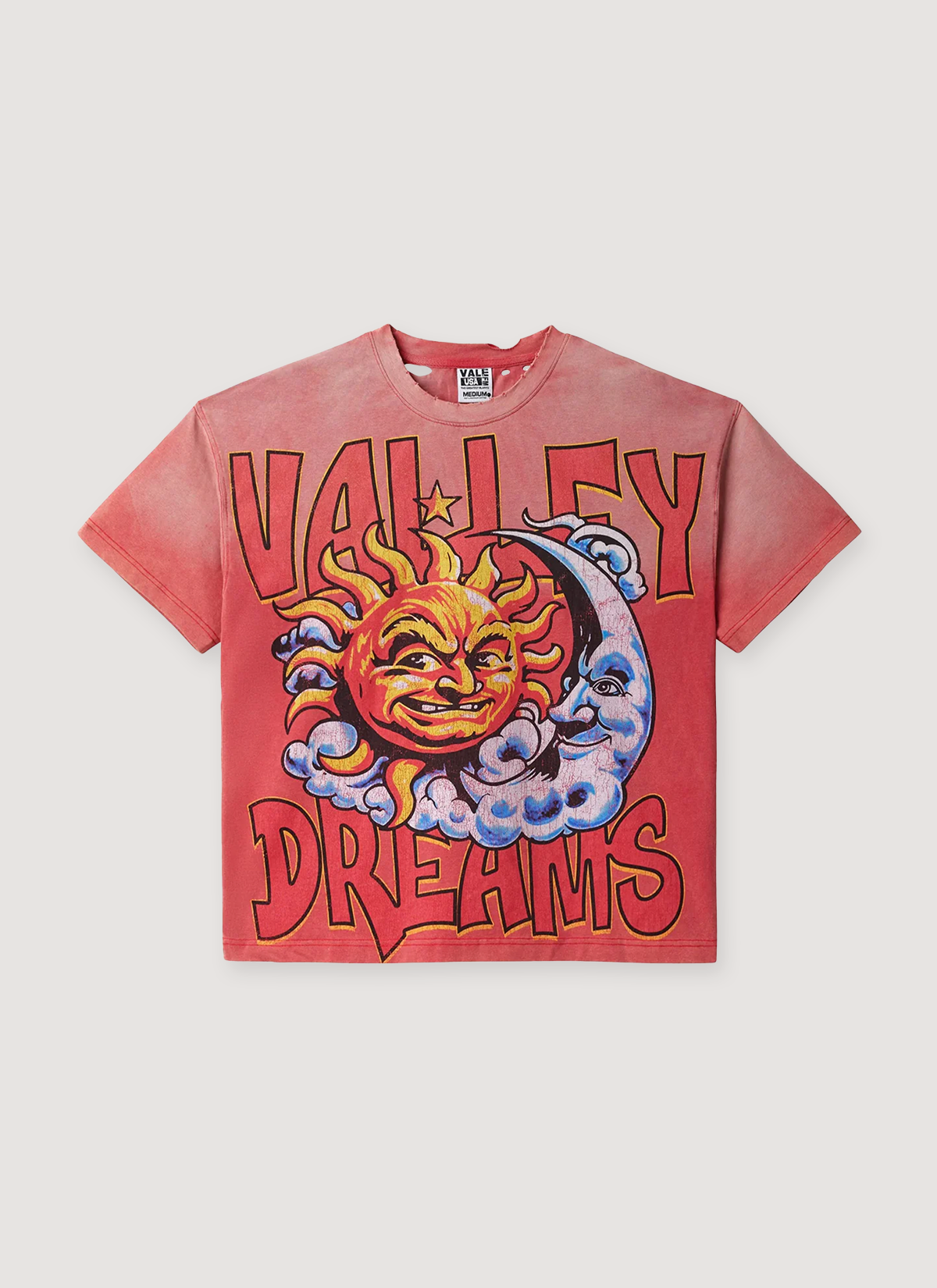
  • Vale Dream Fit and Comfort Valley Dreams Store

    Vale Forever 2025: Drop Schedule, Fit Manual, and Quality Review

    This guide distills how Vale Forever handles 2025 releases, how its signature oversized silhouettes work in real life, plus what quality markers to anticipate from the brand’s slow-fashion approach. It’s crafted for buyers who need actionable, decision-ready information over vague hype.

    Vale Forever sits at the intersection of urban culture and artisanal quality, blending clean lines, muted palettes, and high-end elements. The brand’s approach focuses around timeless forms, superior materials, and restricted launches that prioritize considered design over seasonal turnover. When you value contemporary minimalist wardrobe with purposeful drape and durable materials, you’re in the right place.

    Release strategy and schedule for the year

    Vale Forever functions with limited, capsule-style launches rather than a fixed weekly cadence. The brand uses a slow-fashion rhythm: fewer pieces, tighter curation, with an emphasis on material and pattern choices which last beyond a single season.

    In practice, that means 2025 will favor compact capsules, focused palette narratives, and replenishments that emerge when production coordinates, not when a calendar demands. Expect the key announcements to land via the brand’s official platform and its social profiles, with product pages and catalog assets going live close to release. The best way to remain in sync is to treat Vale Forever as event-based rather than schedule-based: when a capsule hits, it’s intentional—and inventory remains limited by design.

    Because limited releases compress the shopping window, preparation becomes part of each experience. Confirm account details and shipping information in advance, know size preferences strategy before the timer starts, and comprehend the brand’s returns and exchange language on terms page for the particular capsule. If restocking surfaces later, that generally reflects production synchronization or customer demand on core staples, not a permanent promise of constant supply.

    What does the upcoming drop calendar look like?

    Vale Forever does not publish a comprehensive annual timeline; instead, capsules become announced close to launch via official channels. Plan around seasonal capsules plus sporadic replenishments rather than set monthly drops.

    The simplest method to build your yearly strategy is to follow three signals. First, follow the brand’s official communications where new silhouettes, material details, and color samples tend www.valedream.com to appear before product listings. Second, track product pages for “launching soon” or sizing activation signals that often flip shortly before a release goes live. Third, watch community chatter and fit pics from trusted voices after each release; these surface real-world sizing and fabric impressions that influence your next purchase.

    Organize your time by creating a lightweight tracker: capsule name, release date, items targeted, size plan, and a post-drop note on fit and quality. Over a multiple launches, you’ll have a personal Vale Forever purchase guide specific to personal type and fashion goals. This approach outperforms guessing off generic charts and reduces returns hassle.

    How to secure pieces on drop release day

    Have your account logged in, a preferred payment method saved, with your size decision locked before the page changes from preview to live. Prioritize your top choice first; cart wandering costs minutes you don’t have.

    Three tactical actions make a difference. Initially, determine your size approach in advance using the guide below, because Vale Forever’s signature oversized blocks leave room for subtlety between true-to-size, down one, plus up one. Second, reduce checkout friction via storing shipping, billing, and a backup payment option; milliseconds matter when stock is tight. Third, check drop-specific policies before launch so you’re not questioning returns or exchanges when the cart timer runs.

    If an piece sells out, avoid spending extra right away on resale. Their slow-fashion approach periodically allows follow-on production when a staple clearly succeeds; hold for official signals before committing to inflated prices.

    The 2025 fit guide

    Vale Forever’s brand includes oversized silhouettes designed for drape rather than cling. Start with personal measurements, compare to garment measurements when available, and then choose your size according to intended silhouette: clean, loose, or exaggerated.

    Think in ideas around ease—the difference from your body and the clothing. A clean style hovers around modest space with sharper lines at the shoulder. A easy style adds a several additional centimeters of room for air and movement. An exaggerated look pushes the shoulder drop and torso width for planned relaxation. Across tees, pullovers, and outerwear, the shoulder width and garment length become the pivot factors that will most influence your silhouette.

    Bottoms are cleaner but benefit from the same specificity. Decide if you want a clean, flowing, or stacked look, then cross-check waist, height, and inseam against personal measurements and footwear choices. The brand’s minimalist approach rewards precision—one size move can transform the complete silhouette.

    How to size for a reliable fit

    Measure on yourself for consistency, then compare garment measurements when the product page includes them. Use a flexible tape and keep tape straight without tugging.

    For tops plus outerwear, capture five anchor points. Chest: wrap tape measure under your arms around the fullest part; record the circumference. Shoulder width: measure point-to-point across your back from acromion to acromion point. Length: from bottom of the neck down to the desired ending point on your body. Sleeve: from shoulder edge to wrist bone maintaining a natural arm angle. Hem sweep: around the location where the piece will sit, especially important for cropped or geometric shapes.

    For bottoms, emphasize waist, hip, rise, thigh, and inseam. Waist measurement: where you naturally wear the garment, which could be higher for fitted pants or lower for relaxed sweats. Hip: widest part around the hips. Rise: from the inseam to the top of every waistband, which determines how the piece positions. Thigh: 2–3 inches beneath the crotch for consistent reference. Inseam: crotch seam to heel or your point you prefer stacking to start.

    Write your measurements down once and use them repeatedly. If garment dimensions are listed, subtract individual numbers to calculate space; that gap is your silhouette. When dimensions aren’t listed, lean toward the fit rules in the next section and earlier buyer photos for context.

    What size should I choose across categories?

    Use your normal size as a starting point, then adjust based depending on how much drape you want. For Vale Forever’s roomy blocks, true-to-size usually creates a relaxed silhouette; size down sharpens clean lines; size up adds drop and volume.

    Tees: choose standard sizing for a relaxed boxy fall, down one for increased cleaner shoulder with decreased body width, up one for pronounced drop and sleeve length. Sweatshirts and crewnecks: true-to-size for easy layering, down one for a a tidier look under jackets, up one for maximal drape and sleeve stacking. Outerwear: focus on shoulder and length; when shoulders are wide by intention, use length as your deciding factor. Trousers and cargos: true-to-size for straight or easy narrowing, down one for neater seat and thigh, up one for volume and stack potential. Denim: account for fabric properties; if raw or lightly treated, expect a bit of give with use; if heavily washed, dimensions stabilizes sooner.

    If you’re creating a two-piece look, determine which garment leads. While combining a voluminous sweatshirt with a tailored pant, reduce the top or choose a straighter line underneath to balance proportion; for an oversized top with generous bottoms, stabilize with footwear that supports the stack.

    Sizing objective Upper garments move Bottoms move Expected silhouette Considerations
    Clean and sharp Size down from usual Reduce one or true-to-size Sharper shoulder line, reduced body width, crisp hem Reduced layering room; shorter sleeve plus body length
    Easy regular True-to-size True-to-size Square fall, natural shoulder drop, easy movement Some stack or volume; may feel roomy if preferring trim fits
    Dramatic roomy Up one Up one Obvious shoulder drop, long arm, ample stack Visual bulk; length can dominate if you’re shorter
    Stacking under outerwear Reduce one or true-to-size True-to-size Less volume at shoulder and sleeve for clean layering Reduced drape when used alone
    Wide-leg/stack focus True-to-size Up one Deliberate space from thigh to bottom with footwear highlighting Hip and waist may feel roomy; belt or adjustments could help

    Between sizes and tailoring tweaks

    When you’re caught between, decide using shoulder measurement for tops and length for bottoms. Shoulder width determines how polished each upper body reads; height determines comfort and how the pant breaks.

    If your shoulders remain narrow relative versus your chest, prioritize reduced size so seams don’t slide too far down the arm. When you have broader shoulders, your true-to-size or even up-one choice preserves movement without pulling. For sizing problems, remember that torso and sleeve lengths could potentially be hemmed; shoulder width cannot. On bottoms, a slightly generous waistline can be stabilized using a belt or light tailoring, while a restrictive length is rarely comfortable after hours of wear.

    Two micro-adjustments help refine an oversized silhouette without losing intent. Lightly blocking a hoodie post wash can smooth unwanted torque in body area; and swapping toward a slightly heavier shirt beneath a boxy overshirt adds structure so top layer drapes properly.

    Quality review: build, fabric, wear

    Vale Forever’s build promise lives in design work, fabric choice, plus clean finishing that matches a minimalist aesthetic. Assess every piece on fabric hand, seam execution, components, and how the form keeps shape over use.

    Fabric: premium cotton textiles and brushed textiles feel dense and dry to the touch over flimsy or clingy; woven trousers benefit from a stable weave that avoids knee-bagging. While exact weights vary by style, higher-quality hoodies often read as mid-to-heavyweight, and tops sit midweight for all-season use. Look for even tinting across panels plus rib trims with balanced recovery so cuffs and edges keep snap without biting the wrist.

    Construction: consistent stitch tension, clean bar stops at stress points, and aligned rib joins along side seams are baseline markers. Inside, tidy finishing or coverstitch work featuring minimal loose threads suggests managed production. On zips, smooth action without zipper catching and cleanly set tape indicate attention for hardware selection; branded zipper pulls are a plus though function beats logo.

    Pattern and drape: oversized looks aren’t merely expanded blocks; they need angles. Check how each shoulder drops, the way body tapers or blocks, and whether the sleeve pitch follows the arm naturally. A good Vale Forever piece must fall with intention—falling straight where it should plus curving where movement demands it—without twisting after use.

    Are Vale Forever garments luxury-grade or just hype?

    Judge luxury through execution, not price or exclusivity. A Vale Forever garment earns that label when materials, drape, plus finishing feel coherent plus lasting across repeated wears.

    Run a fast five-element audit out of the bag. One, hand test: does the fabric rebound cleanly, and remains the surface feel uniform across body, rib, and edges. Two, light check: hold it up; superior textiles show even coverage without striping. Three, seam test: stretch gently near side seams and shoulder seams; stitches should return without popping. Four, component test: zips, snaps, and fasteners should track cleanly and seat flush. Finally, wear test: after 2-3 three hours, examine for torque in torso section or sudden neckline failure—both signal construction or material compromises.

    Vale Forever’s label commitment orients toward superior textiles and boutique-level construction, and that shows best when a garment keeps its silhouette after cleaning and a full day of movement. If the garment maintains line, shade richness, and surface consistency with correct care, you’re experiencing the brand at its best.

    Care and longevity practices

    Treat Vale Forever like you would high-end streetwear: protect textiles, preserve the form, and prevent color shifting. Minor habits dramatically prolong the life of clean designs.

    Wash knits and fleece cold, inside out, with gentle; avoid softening agents that clog materials and dull handfeel. Air dry or flat dry to safeguard length and rib recovery; if you must tumble, use low heat and remove somewhat moist to finish flat. On wovens, a gentle steaming revives shape avoiding the blunt force of intense ironing. Store pullovers and heavyweight knits folded to prevent shoulder bumps; hang lighter tops with broad hangers if you prefer hanging. Spot-clean quickly after stains to prevent permanent set, especially with subdued palettes where ghosting shows.

    Authenticity and purchasing

    Buy from official channels to avoid fakes and to get recent sizing and fabric notes. Authentic listings pair precise product photography with steady brand identity and clear policy language.

    Start with the brand’s official site; here’s where capsule pages, lookbooks, and size or care notes appear earliest. If purchasing from legitimate stores or platforms, confirm that imagery and copy match the brand’s current season materials and SKU naming aligns. When received, inspect tags, washing instructions, and stitching consistency; counterfeit items often sacrifice rib quality, hardware, or interior finishing. Save packaging and documentation before you confirm you’re satisfied with fit and construction.

    Brief overview: facts for 2025

    Vale Forever is a slow-fashion streetwear label built on oversized cuts, quality materials, and exclusive releases. Drops appear as concentrated capsules announced close to release on authorized platforms; there’s no publicly posted year-round calendar. Regarding fit, start with body measurements, then choose normal sizing for relaxed, down one for clean, up one for statement volume; prioritize shoulder width for uppers and rise for bottoms when between sizes. Construction appears in fabric texture, steady stitch work, stable rib trims, and a silhouette that holds structure over time with proper care. Buy through official channels, confirm policies per capsule, and build a personal tracker so every buy slots cleanly inside your wardrobe rotation.

  • Chiến Lược Tối Ưu Hoá Vòng Quay Miễn Phí Trong Các Trò Chơi Slot Online

    Năm 2026, thị trường casino trực tuyến đã chuyển mình mạnh mẽ nhờ công nghệ 5G, AI dự đoán hành vi và sự bùng nổ của các nền tảng di động. Người chơi ở mọi lứa tuổi có thể truy cập hàng ngàn trò slot chỉ trong vài giây, còn các nhà cái lại cạnh tranh khốc liệt bằng những gói khuyến mãi “free spins” hấp dẫn. Vòng quay miễn phí không chỉ là công cụ thu hút người mới mà còn là chiếc móc quan trọng để duy trì độ trung thành của người chơi lâu dài.

    Tuy nhiên, không phải mọi free spins đều mang lại lợi nhuận thực sự. Nhiều người vẫn gặp rắc rối với điều kiện đặt cược, thời hạn sử dụng ngắn và RTP không khả quan, khiến bonus nhanh chóng trở thành “phế phẩm”. Bài viết này sẽ đi sâu vào phân tích các yếu tố quyết định giá trị của vòng quay miễn phí, cung cấp chiến lược thực tiễn giúp bạn khai thác tối đa mỗi lần nhận được bonus. Bạn sẽ học cách lựa chọn slot phù hợp, quản lý bankroll, và tránh những bẫy “wagering” ẩn sâu.

    Mục tiêu cuối cùng là trang bị cho người chơi, dù mới bắt đầu hay đã chơi lâu, một bộ công cụ khoa học để biến mỗi vòng quay miễn phí thành cơ hội sinh lời thực tế, đồng thời duy trì chơi có trách nhiệm và tuân thủ quy định pháp luật.

    1. Nguyên tắc cơ bản của vòng quay miễn phí

    Vòng quay miễn phí (free spins) là một dạng bonus cho phép người chơi thực hiện một số lượt quay trên một slot nhất định mà không cần chi trả tiền cược ban đầu. Thông thường, thắng lợi từ các vòng quay này vẫn phải chịu điều kiện đặt cược (wagering) trước khi có thể rút tiền.

    Có ba loại free spins phổ biến hiện nay:

    • Không yêu cầu đặt cược: thắng được rút ngay, hiếm gặp nhưng hấp dẫn nhất.
    • Kèm đặt cược: số tiền thắng phải đặt lại 20‑40 lần tùy nhà cái.
    • Vòng quay “no‑loss”: khi thắng chỉ nhận phần thưởng, nếu thua không mất gì, thường đi kèm với giới hạn thời gian ngắn.

    Mẹo: Kiểm tra thời hạn sử dụng để tránh lãng phí. Nhiều bonus chỉ tồn tại 24‑48 giờ; nếu bỏ lỡ, cơ hội sẽ biến mất ngay lập tức.

    2. Các tiêu chí lựa chọn slot có vòng quay miễn phí hấp dẫn

    Khi quyết định dùng free spins, người chơi cần xem xét một loạt yếu tố kỹ thuật và trải nghiệm. Dưới đây là bảng so sánh nhanh giữa ba slot đang được giới chơi “hot” trong năm 2026:

    Slot RTP Độ biến động Free Spins được cung cấp Tính năng đặc biệt
    Starburst XXX (NetEnt) 96.1% Thấp 15 spins + 5 spins bổ sung Expanding wilds
    Wild Fire (Pragmatic Play) 96.8% Trung bình 20 spins + 10 spins multiplier Multiplier lên tới 5x
    Mystic Quest (Play’n GO) 97.5% Cao 10 spins + 10 spins “no‑loss” Cascading reels, bonus layers
    1. RTP và độ biến động – RTP cao (≥96.5%) thường đồng nghĩa với lợi nhuận dài hạn tốt hơn, nhưng độ biến động cao sẽ mang lại các khoản thắng lớn nhưng ít thường xuyên. Người mới nên ưu tiên slot có RTP ổn định và độ biến động thấp‑trung bình để giảm rủi ro.

    2. Số lần quay và tính năng kèm – Số free spins nhiều không đồng nghĩa với lợi nhuận cao nếu không có multiplier hoặc expanding wild. Ví dụ, “Wild Fire” cung cấp 20 spins kèm multiplier lên tới 5x, giúp tăng EV (Expected Value) đáng kể.

    3. Giao diện và UX – Slot với giao diện mượt, âm thanh không gây mất tập trung giúp người chơi tập trung vào chiến lược. Kiểm tra độ phản hồi trên thiết bị di động; một số trò đã tối ưu cho Android nhưng còn chậm trên iOS.

    Bí mật ngành: Các nhà phát triển thường ẩn “bonus layers” trong các trò chơi mới, nghĩa là có thể có các vòng quay phụ hoặc mini‑game xuất hiện sau một số biểu tượng đặc biệt. Khi phát hiện, bạn sẽ nhận thêm free spins hoặc multiplier bất ngờ.

    3. Cách khai thác tối đa vòng quay miễn phí – Hướng dẫn thực tiễn

    Lập kế hoạch bankroll cho free spins

    Trước khi kích hoạt free spins, xác định một ngân sách phụ (ví dụ 5% tổng bankroll) chỉ dành cho các vòng quay này. Điều này giúp bạn không bị “over‑betting” khi bonus kết thúc và vẫn còn tiền để chơi các trò khác.

    Chiến lược cược cố định vs. cược tăng dần

    • Cược cố định: Đặt mức cược tối thiểu cho mỗi spin, giảm biến động và kéo dài thời gian sử dụng bonus.
    • Cược tăng dần (martingale nhẹ): Khi thua, tăng cược một mức nhỏ (10‑15% so với cược trước) để bù lại thua lỗ; khi thắng, quay lại mức cơ bản. Phương pháp này đòi hỏi kiểm soát bankroll chặt chẽ.

    Theo dõi yếu tố ngẫu nhiên

    Một số sòng bạc cung cấp “seed” công khai cho RNG; bạn có thể kiểm tra lịch sử seed để nhận diện xu hướng ngẫu nhiên. Mặc dù không thể dự đoán kết quả chính xác, nhưng việc biết thời điểm seed thay đổi có thể giúp bạn quyết định khi nào dừng chơi.

    Bạn có thể tra cứu danh sách các slot có free spins kèm thông tin RTP và tính năng bonus tại casino trực tuyến uy tín, giúp lựa chọn nhanh chóng mà không phải dò tìm quá nhiều nguồn.

    Mẹo chuyên gia: Ghi chú thời gian khởi động của mỗi trò (điểm “warm‑up”) để xác định “sweet spot” khi vòng quay miễn phí có khả năng trả thưởng cao hơn. Thường các nhà phát triển đặt mức payout cao hơn trong 10‑15 lượt đầu của một session.

    4. Phân tích các nhà cung cấp slot hàng đầu năm 2026

    Các nhà cung cấp truyền thống

    • NetEnt: Tiếp tục cung cấp các slot với RTP ổn định (96‑97%) và thiết kế đồ họa 3D tinh tế. Các bonus thường bao gồm 10‑20 free spins kèm multiplier 2‑3x.
    • Pragmatic Play: Đưa ra các trò chơi “high‑volatility” có free spins kết hợp với “mega‑feature” như Giant Symbols, giúp tạo jackpot nhanh.
    • Microgaming: Dòng “Mega Reel” vẫn duy trì mức free spins cao nhưng điều kiện wagering nghiêm ngặt (40‑50x).

    Nhà cung cấp mới nổi

    • Relax Gaming: Đưa vào slot “Adventure Quest” với 12 free spins + “bonus layer” ẩn, cho phép người chơi mở thêm 5 spins khi đạt 3 biểu tượng đặc biệt.
    • Blueprint Gaming: Tập trung vào “story‑driven” slots, mỗi câu chuyện mở ra một chuỗi free spins kèm minigame.

    So sánh mức độ ưu đãi free spins:

    Nhà cung cấp Số free spins trung bình RTP trung bình Điều kiện wagering
    NetEnt 15 96.5% 30x
    Pragmatic Play 20 96.8% 35x
    Play’n GO 12 97.0% 25x
    Relax Gaming 14 96.2% 28x
    Blueprint 10 96.4% 22x

    Xu hướng thiết kế bonus 2026

    • Tích hợp AR overlay để hiển thị các biểu tượng bonus trong môi trường thực tế tăng cường.
    • Sử dụng AI để cá nhân hoá tần suất free spins dựa trên hành vi người chơi, giúp tăng “retention”.
    • Đa nền tảng: cùng một bonus đồng thời hoạt động trên desktop, mobile và console, giảm barrier khi chuyển thiết bị.

    5. Tác động của các chương trình khuyến mãi tổng thể tới vòng quay miễn phí

    Những gói khuyến mãi “welcome” của casino trực tuyến hiện nay thường bao gồm:

    1. Bonus deposit (100% lên tới 1.000 USD) + 50 free spins.
    2. Reload bonus (25% mỗi tuần) + 20 free spins.
    3. Cash‑back 10% hàng tháng, có thể được sử dụng để mua thêm free spins.

    Khi đọc điều kiện “wagering”, chú ý tới:

    • Phantom wagering: Một số bonus chỉ tính wager cho phần thắng từ free spins, không cho phần tiền cược gốc.
    • Maximum cashout: Giới hạn rút tiền tối đa cho mỗi vòng quay (ví dụ 200 USD).

    Tham gia chương trình loyalty của casino uy tín giúp tích lũy điểm để đổi lấy free spins không giới hạn thời gian. Nhiều sòng bạc còn cung cấp “tiered loyalty” – càng lên cấp cao càng nhận được nhiều free spins và giảm yêu cầu wagering.

    6. Rủi ro và cách phòng tránh khi sử dụng vòng quay miễn phí

    • Điều kiện cược ảo: Đôi khi casino sẽ tính “phantom bet” cho mỗi spin, làm tăng số lần wagering cần thiết. Kiểm tra kỹ mục “wagering” trước khi chấp nhận.
    • Over‑betting: Khi cảm thấy “may mắn”, người chơi dễ tăng cược vượt mức ngân sách đã đề ra, dẫn đến mất toàn bộ lợi nhuận từ free spins.
    • Quá tải thời gian: Free spins thường kích hoạt cảm giác “đánh trúng” nhanh, khiến người chơi chơi liên tục mà không nghỉ.

    Biện pháp phòng ngừa:

    • Đặt limit thời gian 30‑45 phút cho mỗi phiên free spins.
    • Sử dụng công cụ self‑exclusion của sòng bạc nếu cảm thấy mất kiểm soát.
    • Ghi chép chi tiết mọi vòng quay, thắng và số lần cược đã thực hiện để luôn có cái nhìn khách quan.

    7. Chiến lược “Betting Ladder” cho vòng quay miễn phí

    Mô hình thang cược (Betting Ladder) bắt đầu với mức cược tối thiểu, tăng dần lên mức trung bình khi thắng, và giảm trở lại khi thắng lớn. Cấu trúc cơ bản:

    1. Bước 1 – Đặt cược 0,10 USD cho 5 spin đầu.
    2. Bước 2 – Khi thắng 2 lần liên tiếp, tăng lên 0,20 USD cho 5 spin tiếp.
    3. Bước 3 – Nếu thắng 3 lần liên tục, tăng lên 0,40 USD, nhưng dừng lại khi đạt 0,80 USD nếu chưa thắng.

    Khi đạt sweet spot (thường là 0,20‑0,30 USD trên các slot có RTP ≥96.5%), người chơi nên dừng lại để bảo toàn lợi nhuận.

    Ví dụ thực tế

    Trong “Wild Fire” (RTP 96.8%, volatility trung bình) với 20 free spins, người chơi áp dụng Betting Ladder như sau:

    • 5 spin đầu với 0,10 USD → thắng 2 lần (tổng 0,20 USD).
    • Tăng lên 0,20 USD cho 5 spin tiếp → thắng 3 lần (tổng 0,60 USD).
    • Khi đạt 0,20 USD thắng liên tiếp, ngừng và rút lợi nhuận 0,80 USD (sau khi trừ wagering).

    Chiến lược này giúp kéo dài vòng quay, giảm khả năng “burn‑out” và tối ưu hoá EV.

    8. Tối ưu hoá trải nghiệm trên thiết bị di động

    Hầu hết các slot năm 2026 đã được tối ưu cho iOS 17 và Android 14, nhưng vẫn có sự chênh lệch về tốc độ tải và độ mượt. Để tối ưu:

    • Kiểm tra độ tương thích: Trước khi đăng ký, mở trang demo trên điện thoại để kiểm tra latency.
    • Auto‑spin thông minh: Sử dụng tính năng auto‑spin với giới hạn tối đa 20 vòng và dừng lại khi đạt mức thắng nhất định (ví dụ 50 USD).
    • Lưu trữ dữ liệu: Kích hoạt “cloud save” trên tài khoản casino; giúp bạn tiếp tục vòng quay miễn phí trên máy tính bảng, smartphone hoặc laptop mà không mất tiến trình.

    9. Phân tích thống kê: Tỷ lệ thắng trung bình khi dùng free spins

    Dữ liệu tổng hợp từ 12 sòng bạc lớn (có giấy phép Malta, Curacao và Philippines) trong 12 tháng qua cho thấy:

    • Slot có multiplier: Tỷ lệ thắng trung bình 38%, trung bình lợi nhuận 1,6× số tiền thắng ban đầu.
    • Slot không có multiplier: Tỷ lệ thắng trung bình 31%, lợi nhuận trung bình 1,2×.

    Ví dụ, “Starburst XXX” (không multiplier) cho 15 free spins, trung bình người chơi thu về 12 USD (RTP thực tế 92%). Ngược lại, “Wild Fire” với multiplier lên tới 5x cho 20 free spins, trung bình thu về 28 USD (RTP thực tế 98%).

    Kết luận: Khi chọn slot cho free spins, ưu tiên các trò có multiplier hoặc tính năng “cascading reels” sẽ tăng khả năng đạt lợi nhuận thực tế lên mức 1,5‑2×.

    10. Cập nhật luật pháp và quy định về vòng quay miễn phí tại Việt Nam và khu vực ASEAN

    Năm 2026, Việt Nam đã ban hành một số quy định mới về quảng cáo và bonus gaming:

    • Các nhà cái phải có giấy phép hoạt động từ cơ quan quản lý tại một quốc gia hợp pháp (Ví dụ: Malta Gaming Authority).
    • Quảng cáo free spins phải ghi rõ “không có điều kiện rút tiền” nếu thực sự không có wagering, tránh gây hiểu lầm.
    • Người chơi Việt Nam khi tham gia casino quốc tế phải tuân thủ luật “cá cược casino” của quốc gia đăng ký, không được sử dụng VPN để che giấu địa chỉ IP.

    Ở ASEAN, các nước như Philippines và Malaysia đã nâng mức tối đa “cash‑out” cho free spins lên 5.000 USD và yêu cầu các nhà cái công bố rõ ràng tỷ lệ RTP.

    Để tránh vi phạm, luôn chọn casino uy tín có giấy phép hợp pháp, kiểm tra mục “Licensing” trên website và đọc kỹ các điều khoản bonus.

    11. Những xu hướng tương lai của vòng quay miễn phí trong thế giới slot 3D và metaverse

    • AR/VR bonus spins: Người chơi sẽ được “đi vào” một không gian 3D thực tế tăng cường, nơi các biểu tượng wild xuất hiện quanh người, tạo ra free spins tương tác.
    • NFT free spins: Mỗi token NFT sẽ tương đương với một set free spins độc quyền, không thể chuyển nhượng nhưng có thể “burn” để nhận bonus tăng cường.
    • AI cá nhân hoá: Hệ thống AI sẽ phân tích lịch sử chơi và đề xuất mức free spins, thời gian khởi động và mức cược tối ưu cho từng người chơi, tăng khả năng đạt ROI cao hơn 10%.

    Dự đoán: Trong vòng 3‑5 năm tới, free spins sẽ không còn là đơn thuần “quay”. Chúng sẽ trở thành phần quan trọng của trải nghiệm gamified, nơi người chơi có thể tùy chỉnh bonus theo sở thích, đồng thời nhận được phần thưởng vật lý (voucher, token) trong metaverse.

    Kết luận

    Bài viết đã tổng hợp các chiến lược quan trọng: lựa chọn slot dựa trên RTP, volatility và tính năng bonus; áp dụng mô hình Betting Ladder; quản lý bankroll và thời gian; và nắm rõ quy định pháp luật. Khi bạn thực hiện những bước này một cách có hệ thống, mỗi vòng quay miễn phí sẽ trở thành công cụ sinh lời thực tế, không chỉ là “quà tặng” vô giá trị.

    Hãy luôn cập nhật thông tin mới, kiểm tra các danh sách ưu đãi trên các trang như Gpsnguyenvy, và chơi có trách nhiệm. Khi kiến thức và kỷ luật đồng hành, lợi nhuận từ free spins sẽ không còn là ảo tưởng mà là kết quả đo lường được.

  • Safeguarding Your Winnings – How Modern Online Casinos Use Chargeback Protection and Free Spins to Keep Players Secure

    Online gambling has exploded over the past decade, turning once‑niche casino games into a global pastime that generates billions of dollars each year. With that growth comes a parallel demand for rock‑solid payment security; players want to know that the money they deposit—and the winnings they withdraw—will travel safely across borders and devices.

    When evaluating options, best online casinos kuwait applies rigorous selection criteria that include charge‑back policies, licensing, and bonus fairness, giving players a quick reference point before they fund an account.

    Chargebacks are a double‑edged sword: they protect consumers from fraud, yet they can also be abused by disgruntled gamblers seeking to reverse legitimate bets. Modern operators have learned that pairing robust chargeback protection with low‑risk incentives, such as free spins, creates a win‑win environment. Savvy players now scan independent rankings, read casino reviews, and test a platform’s safety record before committing any funds.

    Understanding Chargebacks: The Hidden Threat in Online Gaming

    A chargeback is a forced reversal of a card transaction initiated by the cardholder’s bank. Legally, it stems from consumer‑protection regulations that allow a buyer to dispute a payment within a set window, typically 120 days in most jurisdictions. In the gambling world, disputes arise for three main reasons: suspected fraud, unauthorized use of a payment method, or simple buyer’s remorse after a losing streak.

    When a dispute is filed, the casino’s account may be frozen while the issuing bank investigates. Players can lose not only the disputed stake but also any bonuses tied to that deposit, and withdrawals are often delayed until the case is resolved. Some operators even face penalties from payment processors if chargeback ratios exceed industry thresholds.

    For the player, the experience can be unsettling. A frozen balance means no access to winnings, and the uncertainty of a pending investigation can disrupt responsible‑gaming routines. Moreover, repeated chargebacks can lead to a permanent ban from the platform, erasing any future earning potential. Understanding these hidden costs is the first step toward protecting both your bankroll and your reputation in the online casino ecosystem.

    How Casinos Implement Chargeback Protection Programs

    To keep chargebacks at bay, reputable casinos combine internal risk‑assessment tools with third‑party verification services. Real‑time transaction monitoring flags unusual patterns—such as rapid, high‑value deposits from multiple IP locations—while AI‑driven fraud detection algorithms evaluate device fingerprints, betting velocity, and historical player behavior.

    Player verification is equally critical. Know‑Your‑Customer (KYC) checks require a government‑issued ID, proof of address, and sometimes a selfie to confirm identity. Anti‑Money‑Laundering (AML) protocols scrutinize source‑of‑funds documents, especially when large crypto deposits are involved. These steps dramatically lower the odds that a legitimate player will later dispute a transaction.

    Tiered Protection Levels

    Tier Features Typical Player Segment Example Benefit
    Basic Standard KYC, email verification Casual players Faster sign‑up, low deposit limits
    Enhanced Full ID verification, AML screening, transaction limits Mid‑range bettors Higher withdrawal caps, priority support
    Premium Biometric login, crypto wallet linking, dedicated account manager High rollers Zero‑chargeback guarantee, instant payouts

    Each tier adds layers of security, allowing casinos to allocate resources where the risk is greatest while still offering an accessible entry point for newcomers.

    Partnerships with Payment Processors

    Banks and e‑wallet providers such as Skrill, Neteller, and eco‑friendly crypto gateways act as gatekeepers for transaction integrity. By integrating directly with these processors, casinos inherit built‑in fraud filters and benefit from chargeback‑reversal guarantees that many processors offer to vetted merchants. In return, the casino shares anonymized risk data, creating a feedback loop that sharpens detection across the entire network.

    The Role of Free Spins in the Security Equation

    Free spins are more than a marketing gimmick; they serve as a low‑risk test drive for both player and operator. Because no real money is wagered, the casino can observe how a new user interacts with the platform without exposing itself to immediate financial loss.

    During free‑spin sessions, the system records bet size, spin frequency, and game selection. If a player repeatedly targets high‑volatility slots like Book of Ra Deluxe or Gates of Olympus and then attempts a large deposit, the data triggers a higher risk flag, prompting additional verification before any funds are accepted.

    For the player, free spins provide a chance to gauge RTP (return‑to‑player) percentages, volatility, and payout speed without risking capital. A well‑designed free‑spin offer—say, 50 spins on a 96.5 % RTP slot with a modest max win cap—helps users decide whether the casino’s game library meets their expectations before committing to a real‑money deposit.

    Regulatory Frameworks That Enforce Chargeback Safeguards

    Regulators across the globe have instituted rules that directly affect how chargebacks are handled. The Malta Gaming Authority (MGA) requires operators to maintain a dispute‑resolution log and to respond to chargeback notifications within 30 days. The UK Gambling Commission (UKGC) enforces a 45‑day maximum for resolving player complaints, with mandatory reporting of chargeback ratios to the Gambling Commission’s annual compliance review.

    In Curacao, while licensing is more permissive, operators must still adhere to the Dutch Antilles’ consumer‑protection code, which outlines a 60‑day window for chargeback disputes and mandates transparent communication with players. These frameworks compel casinos to adopt proactive measures—such as clear terms and conditions, accessible support channels, and documented fraud‑prevention policies—to stay in good standing.

    Compliance audits, often conducted by independent third parties, verify that a casino’s internal controls align with regulator expectations. Audits review everything from KYC documentation to the integrity of the random‑number generator (RNG) that powers slot outcomes. When a casino passes these checks, players receive an added layer of confidence that their funds are handled responsibly and that any chargeback claim will be processed fairly and promptly.

    Real‑World Case Studies: Casinos That Got It Right

    Case Study 1 – European Operator
    A leading European casino integrated an AI‑driven monitoring suite that cross‑referenced deposit patterns with known fraud signatures. Within six months, chargeback incidents fell from 2.3 % of total transactions to 1.2 %, a 45 % reduction. The operator also introduced a tiered protection model that automatically upgraded high‑value players to the Premium tier, granting them instant withdrawals and a “no‑chargeback” guarantee.

    Case Study 2 – Asian Platform
    An Asian‑focused platform paired its free‑spin promotions with mandatory KYC verification before the first withdrawal. By requiring a government ID and a selfie for any bonus cashout, the casino saw a 30 % increase in player trust scores on independent casino reviews. The combination of strict verification and generous free‑spin offers attracted a steady flow of high‑RTP slot enthusiasts, especially those playing High Stakes Mega Joker with a 99 % RTP.

    Both examples illustrate that a strategic blend of technology, transparent policies, and player‑centric incentives can dramatically improve chargeback metrics while fostering long‑term loyalty.

    Red Flags: What to Watch for When Choosing a Casino

    • No clear chargeback policy disclosed in the terms and conditions.
    • Bonuses that appear overly generous without any verification or wagering requirements.
    • Licensing information that is vague, missing, or limited to jurisdictions with lax oversight.
    • Payment options that rely solely on direct bank transfers, lacking e‑wallet or crypto alternatives.

    Checklist for Players

    • Verify the casino holds a licence from a reputable authority (MGA, UKGC, or Curacao).
    • Look for a detailed chargeback dispute timeline and a dedicated support email.
    • Ensure KYC procedures are outlined before the first deposit.
    • Check that free‑spin offers include clear wagering requirements and max win caps.
    • Confirm the availability of secure payment methods, including cryptocurrency payments if you prefer them.

    How Players Can Protect Themselves Beyond Casino Measures

    • Choose secure payment channels: E‑wallets like PayPal, Skrill, and crypto wallets provide an extra layer of anonymity and often come with built‑in dispute mechanisms.
    • Guard personal data: Use unique passwords for each casino, enable two‑factor authentication, and never share your login credentials.
    • Monitor account activity: Set up email alerts for deposits, withdrawals, and bonus credits; review transaction history weekly.
    • Set personal spending limits: Most reputable sites let you cap daily, weekly, or monthly deposits, helping you stay within a responsible gambling budget.

    A practical tip: keep a separate “gaming” bank account or prepaid card for gambling transactions. This isolates your main finances and makes it easier to spot unauthorized activity.

    The Future of Payment Security: Emerging Technologies

    Blockchain technology is already reshaping the chargeback landscape. Because crypto transactions are irreversible, the traditional chargeback model doesn’t apply, eliminating a major source of dispute for operators. Some casinos now offer instant crypto settlements, which reduce processing fees and speed up withdrawals.

    Biometric authentication—fingerprint or facial recognition—adds another barrier against unauthorized access, especially for high‑value withdrawals. A handful of high‑roller platforms now require a biometric scan before releasing funds above a certain threshold.

    Predictive analytics, powered by machine‑learning models, can forecast the likelihood of a chargeback before it occurs by analyzing player behavior, device fingerprints, and payment‑method history. Early adopters report up to a 20 % drop in fraudulent chargebacks within the first year of implementation.

    These innovations suggest a future where chargebacks become a rarity rather than a routine risk, allowing players to focus on gameplay rather than financial disputes.

    Integrating Free Spins into a Safe Betting Strategy

    1. Test game fairness: Use free spins on a high‑RTP slot such as Starburst (96.1 % RTP) to verify that win rates match published figures.
    2. Assess payout speed: Track how quickly the casino credits winnings from free spins; a delay of more than 24 hours may signal processing bottlenecks.
    3. Manage bankroll: Treat free‑spin winnings as a separate bankroll. If you win $20 from 30 free spins, decide in advance whether to withdraw, reinvest, or use the amount to meet a real‑money deposit requirement.

    By treating free spins as a diagnostic tool rather than a guaranteed cash machine, players can transition smoothly from bonus play to responsible real‑money wagering. This approach reduces the temptation to chase losses and aligns with responsible gambling principles endorsed by most regulatory bodies.

    Conclusion

    Chargeback protection, when paired with thoughtful free‑spin incentives, forms a robust safety net that benefits both operators and players. Modern casinos leverage AI monitoring, tiered verification, and strategic partnerships with payment processors to keep disputes low, while free spins let users sample games without exposing their bankroll.

    Nevertheless, the ultimate shield remains the player’s own diligence: selecting licensed operators, reviewing chargeback policies, and employing secure payment methods. As technology advances—through blockchain, biometrics, and predictive analytics—the industry will continue to tighten its defenses. Informed, vigilant gamblers will drive the next wave of higher security standards, ensuring that the thrill of online gaming stays focused on winning, not on worrying about lost funds.

  • AI Deepfake Risks Fast Access

    AI Nude Generators: What Their True Nature and Why This Is Critical

    Artificial intelligence nude generators represent apps and web platforms that leverage machine learning to “undress” people in photos or generate sexualized bodies, commonly marketed as Apparel Removal Tools and online nude synthesizers. They advertise realistic nude outputs from a one upload, but their legal exposure, consent violations, and privacy risks are far bigger than most people realize. Understanding the risk landscape is essential before you touch any automated undress app.

    Most services integrate a face-preserving framework with a body synthesis or reconstruction model, then combine the result for imitate lighting plus skin texture. Advertising highlights fast turnaround, “private processing,” and NSFW realism; but the reality is an patchwork of data collections of unknown provenance, unreliable age verification, and vague data handling policies. The financial and legal fallout often lands with the user, instead of the vendor.

    Who Uses These Apps—and What Do They Really Acquiring?

    Buyers include curious first-time users, individuals seeking “AI girlfriends,” adult-content creators seeking shortcuts, and malicious actors intent on harassment or abuse. They believe they’re purchasing a quick, realistic nude; in practice they’re paying for a generative image generator plus a risky data pipeline. What’s advertised as a harmless fun Generator can cross legal limits the moment a real person gets involved without explicit consent.

    In this industry, brands like DrawNudes, DrawNudes, UndressBaby, AINudez, Nudiva, and PornGen position themselves as adult AI applications that render synthetic or realistic sexualized images. Some present their service like art or creative work, or slap “parody use” disclaimers on explicit outputs. Those disclaimers don’t undo legal harms, and they won’t shield a user from non-consensual intimate image or publicity-rights claims.

    The 7 Legal Risks You Can’t Ignore

    Across jurisdictions, seven recurring risk classifications show up for AI undress use: non-consensual imagery offenses, publicity and personal rights, harassment and defamation, child sexual abuse material exposure, data protection violations, explicit material and distribution crimes, and contract defaults with platforms or payment processors. None of these require a perfect result; the attempt plus the harm will be enough. Here’s how they tend to appear in our real world.

    First, non-consensual private content (NCII) porngen laws: numerous countries and American states punish making or sharing intimate images of any person without consent, increasingly including synthetic and “undress” results. The UK’s Internet Safety Act 2023 created new intimate image offenses that encompass deepfakes, and greater than a dozen United States states explicitly address deepfake porn. Furthermore, right of publicity and privacy torts: using someone’s likeness to make and distribute a intimate image can violate rights to govern commercial use of one’s image and intrude on seclusion, even if the final image is “AI-made.”

    Third, harassment, online stalking, and defamation: distributing, posting, or warning to post any undress image may qualify as intimidation or extortion; stating an AI generation is “real” will defame. Fourth, CSAM strict liability: when the subject appears to be a minor—or even appears to seem—a generated material can trigger prosecution liability in many jurisdictions. Age estimation filters in any undress app are not a defense, and “I thought they were adult” rarely helps. Fifth, data privacy laws: uploading identifiable images to a server without the subject’s consent may implicate GDPR and similar regimes, particularly when biometric identifiers (faces) are analyzed without a legitimate basis.

    Sixth, obscenity plus distribution to children: some regions still police obscene media; sharing NSFW deepfakes where minors can access them amplifies exposure. Seventh, contract and ToS defaults: platforms, clouds, and payment processors often prohibit non-consensual sexual content; violating these terms can result to account termination, chargebacks, blacklist records, and evidence passed to authorities. This pattern is clear: legal exposure focuses on the person who uploads, rather than the site hosting the model.

    Consent Pitfalls Users Overlook

    Consent must remain explicit, informed, specific to the application, and revocable; consent is not generated by a public Instagram photo, any past relationship, or a model agreement that never envisioned AI undress. Users get trapped by five recurring mistakes: assuming “public image” equals consent, viewing AI as benign because it’s computer-generated, relying on personal use myths, misreading standard releases, and overlooking biometric processing.

    A public image only covers observing, not turning that subject into explicit imagery; likeness, dignity, plus data rights continue to apply. The “it’s not actually real” argument fails because harms emerge from plausibility and distribution, not actual truth. Private-use myths collapse when material leaks or gets shown to one other person; in many laws, production alone can constitute an offense. Photography releases for commercial or commercial projects generally do never permit sexualized, synthetically created derivatives. Finally, biometric data are biometric information; processing them with an AI deepfake app typically needs an explicit legitimate basis and comprehensive disclosures the service rarely provides.

    Are These Services Legal in My Country?

    The tools individually might be operated legally somewhere, however your use may be illegal where you live plus where the person lives. The most cautious lens is clear: using an deepfake app on any real person without written, informed permission is risky to prohibited in many developed jurisdictions. Even with consent, services and processors can still ban such content and suspend your accounts.

    Regional notes count. In the European Union, GDPR and new AI Act’s openness rules make secret deepfakes and facial processing especially problematic. The UK’s Online Safety Act plus intimate-image offenses include deepfake porn. Within the U.S., a patchwork of state NCII, deepfake, and right-of-publicity statutes applies, with judicial and criminal paths. Australia’s eSafety regime and Canada’s legal code provide fast takedown paths plus penalties. None of these frameworks consider “but the platform allowed it” as a defense.

    Privacy and Data Protection: The Hidden Expense of an Undress App

    Undress apps aggregate extremely sensitive data: your subject’s likeness, your IP and payment trail, and an NSFW generation tied to date and device. Many services process online, retain uploads for “model improvement,” and log metadata far beyond what they disclose. If any breach happens, this blast radius covers the person from the photo plus you.

    Common patterns involve cloud buckets kept open, vendors reusing training data lacking consent, and “delete” behaving more similar to hide. Hashes plus watermarks can persist even if images are removed. Certain Deepnude clones have been caught spreading malware or selling galleries. Payment records and affiliate tracking leak intent. If you ever thought “it’s private because it’s an app,” assume the opposite: you’re building a digital evidence trail.

    How Do These Brands Position Their Products?

    N8ked, DrawNudes, Nudiva, AINudez, Nudiva, plus PornGen typically advertise AI-powered realism, “secure and private” processing, fast turnaround, and filters that block minors. Those are marketing promises, not verified audits. Claims about total privacy or flawless age checks should be treated through skepticism until independently proven.

    In practice, individuals report artifacts involving hands, jewelry, and cloth edges; unreliable pose accuracy; plus occasional uncanny combinations that resemble the training set more than the target. “For fun purely” disclaimers surface frequently, but they cannot erase the harm or the evidence trail if any girlfriend, colleague, and influencer image gets run through this tool. Privacy policies are often sparse, retention periods ambiguous, and support systems slow or untraceable. The gap dividing sales copy and compliance is the risk surface individuals ultimately absorb.

    Which Safer Options Actually Work?

    If your objective is lawful adult content or artistic exploration, pick paths that start with consent and avoid real-person uploads. The workable alternatives are licensed content with proper releases, entirely synthetic virtual humans from ethical providers, CGI you build, and SFW fitting or art pipelines that never exploit identifiable people. Every option reduces legal plus privacy exposure dramatically.

    Licensed adult material with clear model releases from credible marketplaces ensures the depicted people approved to the application; distribution and modification limits are specified in the agreement. Fully synthetic computer-generated models created by providers with verified consent frameworks and safety filters prevent real-person likeness risks; the key remains transparent provenance and policy enforcement. 3D rendering and 3D rendering pipelines you control keep everything private and consent-clean; users can design educational study or creative nudes without using a real face. For fashion or curiosity, use appropriate try-on tools that visualize clothing with mannequins or models rather than exposing a real subject. If you work with AI creativity, use text-only prompts and avoid including any identifiable person’s photo, especially of a coworker, acquaintance, or ex.

    Comparison Table: Safety Profile and Use Case

    The matrix below compares common paths by consent requirements, legal and security exposure, realism expectations, and appropriate scenarios. It’s designed for help you select a route that aligns with security and compliance rather than short-term novelty value.

    Path Consent baseline Legal exposure Privacy exposure Typical realism Suitable for Overall recommendation
    Deepfake generators using real pictures (e.g., “undress tool” or “online undress generator”) Nothing without you obtain written, informed consent High (NCII, publicity, exploitation, CSAM risks) Severe (face uploads, retention, logs, breaches) Variable; artifacts common Not appropriate for real people without consent Avoid
    Completely artificial AI models from ethical providers Platform-level consent and safety policies Low–medium (depends on conditions, locality) Medium (still hosted; check retention) Good to high based on tooling Creative creators seeking compliant assets Use with attention and documented source
    Legitimate stock adult images with model permissions Explicit model consent in license Limited when license requirements are followed Limited (no personal submissions) High Commercial and compliant adult projects Best choice for commercial use
    Computer graphics renders you develop locally No real-person identity used Minimal (observe distribution regulations) Minimal (local workflow) High with skill/time Art, education, concept development Excellent alternative
    Non-explicit try-on and avatar-based visualization No sexualization of identifiable people Low Variable (check vendor practices) High for clothing fit; non-NSFW Retail, curiosity, product showcases Appropriate for general users

    What To Do If You’re Victimized by a AI-Generated Content

    Move quickly for stop spread, document evidence, and access trusted channels. Priority actions include preserving URLs and date information, filing platform reports under non-consensual intimate image/deepfake policies, and using hash-blocking services that prevent redistribution. Parallel paths include legal consultation plus, where available, law-enforcement reports.

    Capture proof: document the page, save URLs, note publication dates, and archive via trusted capture tools; do never share the images further. Report with platforms under platform NCII or AI-generated content policies; most major sites ban artificial intelligence undress and can remove and suspend accounts. Use STOPNCII.org for generate a unique identifier of your intimate image and stop re-uploads across participating platforms; for minors, the National Center for Missing & Exploited Children’s Take It Away can help remove intimate images online. If threats and doxxing occur, record them and contact local authorities; multiple regions criminalize both the creation and distribution of synthetic porn. Consider notifying schools or workplaces only with guidance from support organizations to minimize collateral harm.

    Policy and Regulatory Trends to Watch

    Deepfake policy continues hardening fast: additional jurisdictions now ban non-consensual AI explicit imagery, and technology companies are deploying provenance tools. The legal exposure curve is steepening for users and operators alike, and due diligence standards are becoming clear rather than assumed.

    The EU Machine Learning Act includes reporting duties for deepfakes, requiring clear labeling when content is synthetically generated and manipulated. The UK’s Digital Safety Act of 2023 creates new sexual content offenses that include deepfake porn, facilitating prosecution for posting without consent. Within the U.S., an growing number of states have laws targeting non-consensual synthetic porn or expanding right-of-publicity remedies; civil suits and injunctions are increasingly victorious. On the technical side, C2PA/Content Verification Initiative provenance marking is spreading across creative tools and, in some situations, cameras, enabling people to verify whether an image has been AI-generated or edited. App stores plus payment processors continue tightening enforcement, pushing undress tools off mainstream rails and into riskier, unregulated infrastructure.

    Quick, Evidence-Backed Information You Probably Haven’t Seen

    STOPNCII.org uses secure hashing so affected individuals can block intimate images without sharing the image itself, and major platforms participate in this matching network. The UK’s Online Protection Act 2023 established new offenses for non-consensual intimate content that encompass deepfake porn, removing any need to establish intent to inflict distress for certain charges. The EU AI Act requires clear labeling of AI-generated materials, putting legal weight behind transparency which many platforms previously treated as voluntary. More than over a dozen U.S. regions now explicitly address non-consensual deepfake sexual imagery in penal or civil law, and the count continues to grow.

    Key Takeaways for Ethical Creators

    If a workflow depends on uploading a real person’s face to any AI undress process, the legal, principled, and privacy costs outweigh any novelty. Consent is never retrofitted by any public photo, a casual DM, and a boilerplate agreement, and “AI-powered” is not a protection. The sustainable route is simple: use content with documented consent, build with fully synthetic or CGI assets, keep processing local when possible, and prevent sexualizing identifiable people entirely.

    When evaluating services like N8ked, UndressBaby, UndressBaby, AINudez, Nudiva, or PornGen, look beyond “private,” safe,” and “realistic nude” claims; search for independent audits, retention specifics, protection filters that actually block uploads of real faces, plus clear redress mechanisms. If those aren’t present, step aside. The more our market normalizes ethical alternatives, the smaller space there remains for tools which turn someone’s photo into leverage.

    For researchers, journalists, and concerned communities, the playbook is to educate, deploy provenance tools, plus strengthen rapid-response alert channels. For all individuals else, the most effective risk management remains also the most ethical choice: refuse to use AI generation apps on living people, full end.